Tag Archive for: Teología

By Max Andrews

Reduplicated preaching is the means to understanding the relationship between the natures of Jesus Christ. When Scripture attributes human qualities to Jesus they must be based on his human nature. Likewise, when Scripture attributes divine qualities to Jesus they must be based on his divine nature.

With this insight, we might be able to solve the problem of the predicates of the Person. The predicate property of the Person is one with respect to nature (i.e. ignorance with humanity and omniscience with divinity — hunger and fatigue with humanity, need with divinity).

But now there is a problem. Once we apply this to Jesus, such predicates as omniscience and ignorance, and sinlessness and humanity seem to be incompatible. A problem with limitations is posed. Is this irremediable? I don’t think so.

Additional Qualifier – We can posit that the divine aspects of Jesus were largely subliminal during his humiliation (his ministry before death). What reasons are there to support this qualifier? In fact, this qualifies Jesus’ humanity even further.

Psychoanalysis has confirmed the existence of a subconscious. This is evident in schizophrenia and in hypnosis. With schizophrenia there is one conscious that is awake and one (or more) that is not, however, the subliminal subconscious can still become a reality. There is one that controls and governs the conscious. With hypnosis, one can be hypnotized and instructed not to look at, for example, a table. If you were instructed to walk to the door, and the table was between you and the door, you would walk around the table, even though you cannot literally see it, you still have the knowledge that it exists in your subconscious.

During the incarnation, the Logos allowed only certain aspects of consciousness into the person of Christ that were compatible with normal human experience. This gives much more light to the genuineness of his temptation, the anointing and filling of the Spirit, the Spirit drawing him into the wilderness, his prayer to the Father (these are not just samples). Jesus, at 3 years old, would not have been contemplating Newton’s infinitesimal calculus or quantum mechanics; he was a genuine Jewish boy growing in wisdom and stature.

So in essence it was a self-limitation of humanity with simultaneous practical divinity in one Person. This is different from Kenotic Christology in that He does not give up certain attributes and no longer possess them. In this view, He still retains all the human and divine aspects of voluntary limitation.


Original Blog: http://bit.ly/2nir4jz

Translated by Jorge Gil Calderon

Por J. Brian Huffling

En el 2004, comencé a cursar una maestría en Apologética Cristiana en el “Southern Evangelical Seminary”. Realmente no conocía mucho del tema, solo quería saber cómo defender la fe cristiana y tener una mejor justificación para mis propias creencias. Me di cuenta que tanto cristianos como no cristianos mantenían debates acerca de la veracidad de la fe, pero no tenía idea que los cristianos debatían entre sí acerca de cómo –e incluso si– se debía practicar la defensa de la fe. Existen distintas perspectivas acerca de si se debe hacer apologética o no, y de la forma en que se debe llevar a cabo. Este artículo describirá, brevemente, diversos métodos de apologética y presentará un argumento acerca de la superioridad del método clásico.

Diversos Métodos

Apologética Clásica

La apologética clásica ha sido conocida como el método de dos pasos. El primer paso, es demostrar la existencia de Dios mediante las pruebas teístas tradicionales (los diversos argumentos cosmológicos, los argumentos del diseño, los ontológicos, etc.). Este método se apoya en la posibilidad de la teología natural —la habilidad que tiene el razonamiento para demostrar la existencia de Dios. Este primer paso no demuestra que el cristianismo sea cierto, sino el monoteísmo.  El Segundo paso es demostrar la veracidad del cristianismo al presentar, por ejemplo, (aunque no necesariamente de esta manera exacta), que los milagros son posibles, la Biblia es confiable, Jesús afirmó y demostró que Él era Dios, etc. Se conoce como el método “clásico” porque ha sido el método clásico y tradicional utilizado a través de los tiempos. Entre algunos defensores se encuentran Agustín, Anselmo, Tomás de Aquino, William Paley, integrantes de la Universidad de Princeton tales como B. B. Warfield, Norman Geisler y R. C. Sproul (entre muchos otros). Algunos libros clásicos de apologética son: “Christian Apologetics” (La Apologética Cristiana) de Norman Geisler y No tengo suficiente fe para ser ateo de Frank Turek y Norman Geisler.

Apologética Evidencial

Los apologistas evidenciales no pretenden demostrar que Dios existe. Algunos lo hacen porque no creen que la teología natural sea posible; otros piensan que simplemente es mucho más fácil empezar con la defensa bíblica. Van directamente a las evidencias para demostrar que el cristianismo es verdadero a partir de campos como la historia y la arqueología. Para ellos, esto evita los argumentos y las objeciones filosóficas difíciles. La gente, comúnmente, es más propensa a entender la historia y cosas por el estilo. La idea es; si podemos demostrar que la Biblia es confiable y que Jesús fue resucitado de entre los muertos, entonces una persona razonable se convencerá de que el cristianismo es verdadero. Eso incluiría la existencia de Dios. Entre los defensores de esta perspectiva se encuentran Joseph Butler, Josh McDowell, Gary Habermas y Michael Licona, entre otros. Algunas de las obras de la apologética evidencial son The Case for the Resurrection of Jesus (La defensa de la resurrección de Jesús) de Gary Habermas y Michael Licona, y Nueva Evidencia que demanda un veredicto de Josh McDowell.

Apologética Presuposicional

La apologética presuposicional es directamente contraria a la apologética clásica, ya que sus seguidores rechazan la idea de que podemos razonar en cuanto a la existencia de Dios. Los apologistas presuposicionalistas argumentan que debemos presuponer la verdad del cristianismo y demostrar que todas las demás cosmovisiones (y religiones) son falsas. Los presuposicionalistas llegan al punto de concluir que uno no puede razonar del todo (ni dar cuenta de su capacidad para razonar) sin el cristianismo ser verdadero. Ellos afirman que debemos argumentar de manera trascendental, al demostrar que la racionalidad en sí presupone la veracidad del cristianismo y que cualquier cosmovisión ajena a él, fracasa. El conocido presuposicionalista Greg Bahnsen dijo en su debate con R. C. Sproul que él no podía saber que su auto estuviera en el estacionamiento de la playa, sin presuponer la existencia del Dios Trino. En un debate que mantuve con un presuposicionalista, fui desafiado a explicar cómo podía saber que el árbol está fuera de mi ventana sin presuponer la veracidad del cristianismo. Los que apoyan este método alegan que debemos defender el cristianismo en base a la imposibilidad de lo contrario. En otras palabras, debido a que se ha comprobado que las demás cosmovisiones y religiones son falsas, el cristianismo debe ser verdadero. Los defensores de este método son Cornelius Van Til, Greg Bahnsen, Gordon Clark, John Frame y K. Scott Oliphant. Algunas obras de la apologética presuposicional son “Christian Apologetics” (La apologética cristiana) de Cornelius Van Til y “Presuppositional Apologetics: Stated and Defended” (La apologética presuposicional: afirmada y defendida) de Greg Bahnsen.

Caso Apologético Acumulativo

Algunos apologistas afirman que debemos tomar lo mejor de todos estos métodos y utilizar el enfoque del caso apologético acumulativo. Es decir, debemos tomar los mejores argumentos de cada método y usarlos enfocándonos en la idea principal. Paul Feinberg toma esta postura en “Five Views on Apologetics” (Cinco perspectivas de la apologética). Este es un buen libro para buscar más información sobre esta perspectiva.

La superioridad de la apologética clásica

Con este breve resumen, uno puede preguntarse, ¿qué método es mejor?, o ¿por qué no utilizar el caso apologético acumulativo y tomamos lo bueno de cada modelo? Ahora, estaré argumentando sobre la superioridad del método clásico.

En primer lugar, la Biblia dice que podemos conocer acerca de Dios por medio de la naturaleza. Pablo, en Romanos 1:19-20 dice:

“1:18 Porque la ira de Dios se revela desde el cielo contra toda impiedad e injusticia de los hombres que detienen con injusticia la verdad; 1:19 porque lo que de Dios se conoce les es manifiesto, pues Dios se lo manifestó.  1:20 Porque las cosas invisibles de él, su eterno poder y deidad, se hacen claramente visibles desde la creación del mundo, siendo entendidas por medio de las cosas hechas”

Por lo tanto, no solo podemos conocer que Dios existe por medio de la naturaleza, sino que también podemos tener una idea de cómo es Él. Si Dios puede darse a conocer por medio de la naturaleza, entonces existe la posibilidad de que tal conocimiento se pueda usar en forma de un argumento lógico. La única pregunta que nos queda es, “¿Estos argumentos son sólidos?” Bueno, esa ya es otra pregunta, pero al menos, desde el punto de vista bíblico, parecen ser posibles. Por lo tanto, resulta difícil ver cómo alguien puede alegar que la Biblia no enseña la teología natural.

Además, parece que muchos de los argumentos teístas son sólidos desde un punto de vista racional. Por ejemplo, si el universo es un ser contingente y no puede dar razón de su propia existencia, y una causa que produce un efecto no puede continuar hasta el infinito, entonces parece que, en algún punto, debemos llegar a una causa que no sea contingente, sino necesaria. Tal causa debe ser Dios.

Segundo, la apologética clásica comienza un paso antes de argumentar a favor de Dios; comienza por conocer la realidad y la naturaleza de la verdad absoluta. En una era de relativismo, debemos responder objeciones tales como: “Bueno, eso puede ser verdad para ti, pero no para mí”. Además, la apologética clásica trata con asuntos filosóficos básicos de la metafísica (la naturaleza de la realidad) y la epistemología (cómo conocemos la realidad) de una manera más sólida e intencionada que en los otros métodos.

Tercero, la apologética clásica utiliza las evidencias a favor del cristianismo en un contexto teísta. Como lo afirma Norman Geisler: “No puede haber actos de Dios a menos que haya un Dios que pueda actuar”. Además, como ha dicho C. S. Lewis, si Dios existe, entonces no podemos rechazar la posibilidad de los milagros. Establecer la existencia de Dios, antes de pasar a los milagros, nos ayuda a que estos datos tengan más sentido. También, los milagros son señales de algo. No fueron solamente maravillas; ellos demostraban o señalaban hacia algo. Por ejemplo, los milagros que Jesús realizó demostraron quien él dijo ser. Como lo dijo Nicodemo, solamente alguien que tuviera el poder de Dios tenía la capacidad de hacer las obras que él hizo. Finalmente, por muy tonto que pudiera sonar, alguien podría afirmar que los eventos como el de la resurrección pudo haber sido llevado a cabo de una forma sobrehumana, como por los extraterrestres. Sé que es ridículo, pero es una objeción que se debe vencer si no se ha establecido la existencia de Dios. En resumen, las evidencias en favor de la Biblia y el cristianismo están allí, pero cobran más sentido y son más poderosas después de haberlas colocado en un contexto teísta.

Cuarto, la apologética presuposicional tiene muchos problemas. Los mismos presuposicionalistas admiten que su postura es circular. Sin embargo, ellos alegan que todas las perspectivas son circulares. Por ejemplo, dicen que la noción de que no podemos evitar el razonamiento es circular, pues cualquier intento de rechazar esa postura requeriría el uso de la razón. Sin embargo, ese no es un problema circular, pues es básicamente innegable que razonar sea inevitable en las discusiones o en los argumentos. Uno no usa la razón para probar la razón; sino que simplemente está diciendo que es inevitable e innegable. Sin embargo, asumir que una postura es verdadera y demostrarla desde esa misma postura es la definición de la circularidad. Además, alegar que podemos demostrar que el cristianismo es verdadero en base a la imposibilidad de lo contrario es simplemente un error. La contrariedad es una relación lógica entre dos afirmaciones. De este modo, cuando nos referimos a las afirmaciones que son contrarias, estamos hablando de la naturaleza de la lógica. Las afirmaciones (y únicamente las afirmaciones) son opuestas cuando ambas pueden ser falsas, pero ninguna de las dos puede ser verdadera. Por ejemplo, las afirmaciones “El cristianismo es verdadero” y “El ateísmo es verdadero” son opuestas ya que ambas pueden ser lógicamente falsas. Pero, debido a que ambas pueden ser falsas, jamás podríamos probar la verdad del cristianismo al demostrar la falsedad de sus contrarios. Además, el presunto argumento trascendental para el cristianismo auténtico nunca ha sido articulado, menos aún, defendido. Créeme, si existe un argumento que garantice una victoria sin importar que… yo lo quiero. Desafortunadamente, no existe. Nadie se ha dado por vencido. A Bahnsen se le ha dado muchas oportunidades en su debate con Sproul, pero no tuvo éxito.

Entonces, ¿por qué no tomar lo mejor de todos los métodos y utilizar el enfoque del caso apologético acumulativo? Porque lo mejor de cada método ya es propio del modelo clásico. El modelo clásico es más exhaustivo que los demás, coloca los milagros y las evidencias en un contexto teísta y evita los problemas del presuposicionalismo. De este modo, la apologética clásica es el modelo más sólido y el más completo.

Entre las obras sobre apologética se incluyen: “Faith Has Its Reasons: Integrative Approaches to Defending the Christian Faith” (La fe tiene sus razones: enfoques integradores para defender la fe cristiana), de Ken Boa y Robert Bowman (este es mi favorito) y “Five Views on Apologetics” (Cinco perspectivas sobre la apologética).


J. Brian Huffling, PH.D., cuenta con una Licenciatura en Historia de la Universidad de Lee, una Licenciatura en Apologética (con 3 especializaciones), Filosofía y Estudios Bíblicos del Seminario Evangélico del Sur (SES, por sus siglas en inglés), y un Doctorado en Filosofía de la Religión de la misma institución. Es el Director del Programa de Doctorado y Profesor Asociado de Filosofía y Teología en el SES. También dicta cursos en la Academia En Línea de Apología. Anteriormente, ha enseñado en el Instituto de las Artes de Charlotte. Ha prestado servicios en la Infantería de Marina, en la Armada y actualmente, sirve como capellán de reserva en las Fuerzas Aéreas en la Base Aérea Maxwell. Entre sus aficiones se incluyen el golf, la astronomía casera, las artes marciales y la guitarra.

Blog Original: http://bit.ly/2ZcyYsq

Traducido por Leonardo Padilla

Editado por Billy Morales Mujica

Por Kate Shellnutt

El magistral teólogo deja tras sí casi 130 títulos y un impacto mundial.

Solo dos meses después de haberse retirado del ministerio público, el teólogo evangélico Norman Geisler falleció el lunes a la edad de 86 años. Había sido hospitalizado durante el fin de semana después de sufrir un accidente cerebrovascular.

Descrito como “una mezcla entre Tomás de Aquino y Billy Graham”, Geisler fue un escritor prolífico, apologista y profesor, además de ser el cofundador y expresidente del Seminario Evangélico del Sur (SES, por sus siglas en inglés) en Carolina del Norte y el cofundador de la Universidad Internacional Veritas en California.

Muchos líderes evangélicos consideran a Geisler uno de los pensadores cristianos más importantes de las últimas décadas, entre ellos el pastor Derwin Gray, quien lo consideraba “uno de los más grandes filósofos, apologistas y teólogos cristianos” y el presidente de Colson Center, John Stonestreet, quien lo recuerda como “una figura sobresaliente de la apologética y la filosofía cristiana”.

Geisler fue respetado debido a la amplitud y la profundidad de su carrera de más de 70 años y por su modelo de defensa de la fe y de la Biblia por medio de la apologética clásica.

“Cuando Geisler comenzó, había pocos filósofos que abrazaran la fe cristiana. Pero resultaba aún más raro encontrar a un filósofo capacitado que estuviera comprometido a ayudar a los creyentes comunes en la defensa del evangelio”, dijo Gregory E. Ganssle, profesor de filosofía de la Escuela de Teología Talbot de la Universidad de Biola. “Geisler preparó el camino para la apologética sofisticada que hoy disfrutamos”, al combinar el rigor académico con el deseo de capacitar a la iglesia y de escribir libros que “pudieran ser leídos y utilizados por los creyentes de todas las condiciones sociales”.

El presidente actual de la SES, Richard Land, lo describió como una voz potente y refrescante que inspiraba a los eruditos conservadores, a los ministros y a los colegas apologistas.

“Para nosotros, la más reciente defensa de la fe realizada por el Dr. Geisler fue como un largo trago de agua fría en medio de lo que a menudo era un paisaje teológico árido y estéril”, escribió Land. “El Dr. Geisler ha sido la autoridad a quien acudir para más de dos generaciones de estudiantes del seminario evangélico que buscaban una defensa firme, inteligente e implacable de la inerrante e infalible Palabra de Dios y de las doctrinas históricas de la fe cristiana”.

Él formó parte del equipo de teólogos que escribió la Declaración de Chicago sobre la Inerrancia Bíblica en 1978 y fue el coautor del popular libro I Don’t Have Enough Faith to Be an Atheist” (No tengo suficiente fe para ser ateo) en el 2004.

“Norman Geisler fue una de las cuatro o cinco personas de mayor influencia en mi vida. Fue conocer a Norm y leer sus obras lo que despertó mi interés en la filosofía y el resto es historia”, dijo el profesor de filosofía del Seminario Talbot, J. P. Moreland a CT. “Él fue un trabajador incansable para el Reino y un hermano que fue fiel hasta el final. Hemos perdido a un gigante y el mundo estará peor por su partida”.

Además de su erudición y enseñanza, Geisler participó en debates teológicos con colegas eruditos, entre ellos un debate en el 2011 con Michael Licona con respecto a la resurrección corporal de los santos, que fue cubierto por Christianity Today.

Él es el autor, coautor o editor de 127 títulos, entre ellos un libro sobre el transhumanismo, previsto para el año que viene. Su libro “The Baker Encyclopedia of Christian Apologetics” (La Enciclopedia Baker de Apologética Cristiana) fue nombrado por CT en el 2002 como uno de los libros sobre religión más importante, de entre los teólogos aún vivos.

Las obras de Geisler han sido traducidas a más de una docena de idiomas, y se han rendido homenajes en Internet por todo el mundo, desde Kenia hasta Brasil. El teólogo brasileño Roney Cozzer escribió: “A menudo, digo que Geisler fue una fuente de la cual bebí muchísimo” y alabo a Dios por su legado.

El erudito, quien nació en Michigan, recibió títulos del Wheaton College, William Tyndale College y del Loyola University.

William C. Roach, presidente de la Sociedad Internacional de Apologética (el cual Geisler fundó en 2007), fue apadrinado por Geisler y compartió lo siguiente en un homenaje:

Los dos crecimos en hogares no cristianos, nuestras madres no nos permitían jugar al fútbol cuando éramos niños, ambos tuvimos padres alcohólicos, nos esforzábamos significativamente en la escuela, y lo más importante: después de nuestra conversión a Cristo, ambos tuvimos que enfrentarnos a las objeciones en cuanto a la fe cristiana.

El Dr. Geisler solía decir que se introdujo en el mundo de la apologética porque se quedó perplejo al encontrar a un borracho en las calles de Detroit que decía ser un egresado del “Moody Instita Bibiltute”. Entonces, el Dr. Geisler comprendió que tenía que encontrar respuestas a las objeciones de la gente o bien, debía dejar de compartir su fe. Puesto que lo segundo no era una opción, el Dr. Geisler dedicó su vida a defender la fe cristiana histórica.

Luego de la noticia de su fallecimiento, su ministerio publicó 1 Tesalonicenses 4:13-14, uno de sus pasajes favoritos que solía citar cuando se enteraba de la muerte de alguien del cuerpo de Cristo: “Pero no queremos, hermanos, que ignoréis acerca de los que duermen, para que no os entristezcáis como lo hacen los demás que no tienen esperanza. Porque si creemos que Jesús murió y resucitó, así también Dios traerá con El a los que durmieron en Jesús”.


Publicado originalmente en Christianity Today: http://bit.ly/2Z0Oxnl

Traducido por Natalia Armando

Editado por María Andreina Cerrada

By Greg Koukl

Why did God destroy Sodom and Gomorrah? Was it really because of the sin of inhospitality and not because of homosexuality, the greatest judgment found in the Bible outside of the book of Revelation?

People find what they want in the Bible. But if you look hard enough, you can find “biblical” support for reincarnation, Eastern religions, Jesus as a guru, divorce for any reason, and flying saucers. Every sect of Christianity uses the Bible to validate its claims, as do some who practice the occult.

It is not surprising, then, that a recent trend among biblical scholars holds that a careful reading of Genesis in its historical context provides no solid basis for concluding that the destruction of Sodom and Gomorrah has anything to do with homosexuality.

This view may seem far-fetched to biblical conservatives, but it is taken very seriously in academic circles. It represents a significant challenge to the average Christian who finds in the Genesis account a direct condemnation of homosexual behavior.

My goal is to provide an answer to that challenge. I have no interest in defaming, insulting, offending, attacking, lashing out, denigrating, much less belittling a group of people. I just want to determine one thing: why did God destroy those two cities? Did it have anything to do with homosexuality itself? Simply put, what was the sin (or sins) of Sodom and Gomorrah?

Genesis 18:16-19:29

Although the context of the story in question begins in Genesis 18:16 during God’s conversation with Abraham by the oaks of Mamre, the details of the encounter in Sodom are found in Genesis 19:4-13:

They had not yet gone to bed, when the men of the city, the men of Sodom, surrounded the house, both young and old, all the people without exception. And they called to Lot, and said to him, “Where are the men who came to you tonight? Bring them out so that we may know them.” Then Lot went out to them at the entrance and shut the door behind him, and said, “My brothers, I beg you not to do wickedly. Behold, I have two daughters who have not known a man; let me bring them out to you and do with them as seems good to you; but do not do anything to these men, for they have come under my roof.” But they said, “Stand aside!” And they said, “This man came as a stranger, and is already acting as a judge; now we will deal worse with you than with them.” And they rushed at Lot and were about to break down the door, but the two men put out their hands and brought Lot into the house with them, and shut the door. And they struck the men who were at the entrance of the house with blindness, from the smallest to the greatest, so that they were wearied trying to find the entrance.

Then the two men said to Lot, “Who else do you have here? Your sons-in-law, your sons, your daughters, and whoever you have in the city—get them out of this place, for we are going to destroy this place, for its outcry has become so great before the Lord that the Lord has sent us to destroy it.”

What was the sin of Sodom and Gomorrah? Why did God destroy the two cities? The traditional view is that homosexuality was the primary offense (“I beg you, my brothers, do not act wickedly.”).

Yale historian John Boswell offers four possible reasons for the destruction of Sodom:

(1) The Sodomites were destroyed because of the general wickedness that prompted the Lord to send angels into the city to investigate in the first place; (2) the city was destroyed because the people of Sodom had attempted to rape the angels; (3) the city was destroyed because the men of Sodom had attempted to engage in homosexual relations with the angels…; (4) the city was destroyed because of the inhospitable treatment of the visitors sent by the Lord. [1]

John Boswell thinks that explanation (2) “is the most obvious of the four,” although it has been “widely ignored by biblical scholars” [2] . Boswell expands on explanation (4), which he seems to favor as the most consistent with “modern scholarship” since 1955:

Lot was violating the custom of Sodom… by welcoming unknown guests into the city walls at night without obtaining permission from the city elders. When the men of Sodom gathered together to demand that the strangers be brought out before them “so that they might know them,” it only meant that they wanted to “know” who they were, and consequently, the city was destroyed not because of sexual immorality, but because of the sin of inhospitality to strangers [3] .

The Englishman D. Sherwin Bailey also makes this argument in Homosexuality and the Western Christian Tradition (1955). The men of Sodom only wanted to question Lot’s guests to see if they were spies. The sin of gang rape was also in view, not homosexuality. In a broader sense, the men of Sodom were inhospitable to Lot’s guests.

Apparently it did not occur to Boswell that possibilities (2) and (4) seemed to be in conflict. If “meeting” the angels basically means questioning them, then there is not an attempt at rape, but an attempt at interrogation. If, on the other hand, the men intended to have sexual relations with the visitors (according to the traditional view) and are guilty of attempted rape, then the interrogation explanation must be abandoned (as the interpretation of Boswell’s above summary with respect to the views of modern scholarship is somewhat incoherent).

Some of these explanations, however, are not mutually exclusive and may have been influenced differently. For example, the general wickedness of Sodom and Gomorrah (1) may have included rape (2) and/or inhospitality (4).

My primary interest here is to determine whether the biblical record indicates that (4) homosexuality was a significant factor.

Text clues

Why did God destroy Sodom and Gomorrah? We can find clues not only in the Genesis account, but also in the books of the prophets and in 2 Peter and Jude in the New Testament. These give us insight into the way ancient Jewish thinkers, steeped in Jewish culture, understood these texts.

First, Sodom and Gomorrah were judged for a serious sin. Genesis 18:20 says, “The cry of Sodom and Gomorrah is great, and their sin is exceedingly grievous.” In fact, not even ten righteous people could be found in the city.

Second, it seems that the judgment of these cities was to serve as a lesson to Abraham and others that wickedness would be punished. In 2 Peter 2:6 we see that God condemned and destroyed the cities as an “example to those who would live ungodly afterward.”

Third, Jude and Peter describe the unique qualities of sin. Jude 7 portrays the activity as “they became corrupt” and went after “strange flesh” [4] . Peter wrote that Lot was “overwhelmed by the sensual conduct of unchaste men,” and “from what he saw and heard as he lived among them, he was daily tormented in his righteous soul by their unrighteous deeds.” They are “those who walk after the flesh in its corrupt desires and despise authority” (2 Peter 2:7-10).

Fourth, there are 27 references outside Genesis to the city of Sodom. It is the emblem of gross immorality, the deepest depravity, and great judgment.

Gathering the biblical evidence gives us a picture of the offense of Sodom. The sin of Sodom and Gomorrah was a grievous, continual, debauched, sensual act that Lot saw, heard, and was tormented by as he witnessed it day after day. It was an act in which the inhabitants gave themselves over to their corrupt desires, going after strange flesh, ultimately bringing upon themselves the greatest judgment found in the Bible outside of the book of Revelation.

What do we know about the behavior of the men of Sodom and Gomorrah that fits this description?

Just a couple of questions

Was the city destroyed because the men of Sodom attempted to rape the angels (option (2) above)? The answer is obviously no. God’s judgment could not have been for the rapacious attempt itself, since His decision to destroy the cities was made days before the encounter (see Genesis 18:20). Furthermore, Peter makes it clear that the evil acts were ongoing (“day after day”), not a one-time incident. The cry had already gone up before God for some time [5] .

Was it merely an interrogation? Although the Hebrew word “yada” (“to know”) [6]  has a variety of nuances, the New Living Translation appropriately translates it as “to have sex” [7] . Although the word does not always have sexual connotations, it often does, and this translation is more consistent with the context of Genesis 9:5. There is no evidence that a harmless interview was what the men of the city had in mind. Lot’s response—“I beg you, my brothers, do not act wickedly”—makes it clear that they had other intentions.

Furthermore, the same verb is used in the immediate context to describe daughters who have not “known” a man and who were offered to the crowd instead of the visitors. Are we to understand Lot here as saying, “Please do not question my guests, but rather speak to my daughters who have never been interviewed”?

Did God judge Sodom and Gomorrah because of inhospitality? Is it true that God’s judgment was not because of homosexuality per se, but because the men of the town were not courteous to the visitors, violating sacred customs by attempting to outrage them? Serious questions arise if we make a couple of observations.

First, the implication itself is strange. To say that the men of Sodom were inhospitable because of the attempted rape is like saying that a husband who has beaten his wife is an insensitive spouse. That may be true, but it is hardly an important observation given the seriousness of the crime.

Second—and this has more to do with textual evidence—it does not fit the collective biblical description of the behavior that provoked God’s wrath: perverted, lawless, sensual behavior that Lot saw and heard day after day, in which men went after strange flesh.

Third, are we to believe that God wiped out two entire cities just because they had bad manners, even granting that such manners were more important then than now? There is no textual evidence that inhospitality was a capital offense. Yet homosexuality was punishable by death in Israel (Leviticus 18:22; 20:13). Did God overlook the capital offense, and yet wipe out two entire cities for an evil that is nowhere listed as a serious offense?

The only reason that fits

The prevailing modern view of the sin of Sodom and Gomorrah is that the attempted rape of Lot’s visitors violated the high code of Middle Eastern hospitality (19:9). However, this inhospitality is an inference, not a specific point made in the text itself.

Moreover, the charge of inhospitality depends on—and is overshadowed by—the grave crime of rape, though neither of these could be the sin of Sodom and Gomorrah because God had decided to judge the cities long before they were committed. What choice is left? Only one.

We know that the men of Sodom and Gomorrah were homosexuals, “both young and old, all the people without exception” (19:4), to the point of despising available women (19:5-8). They even persisted after being struck with blindness (19:11). These men were totally given over to an overwhelming passion that did not abate despite being supernaturally blinded by angels.

Homosexuality fits the biblical details. It was the sin that represented the flagrant wickedness of Sodom and Gomorrah—the “gross,” “ungodly,” “wicked,” “sensual conduct of the profligate men” that tormented Lot as he “saw and heard” it “day after day,” the “perverse desire” of those who followed “strange flesh.”

In their defense, some might cite Ezekiel 16:49-50: “Behold, this was the iniquity of your sister Sodom: Arrogance, plenty of bread, and complete idleness were her and her daughters; yet they did not help the poor and needy, but they were haughty and committed abominations before me [8] . And when I saw it, I put them to death.” There is no mention of homosexuality here.

Clearly, the overall wickedness of Sodom and Gomorrah was great. That is not in question. Our interest here is whether homosexuality was part of that wickedness. Our analysis of Genesis reveals that homosexuality was the primary behavior in question in that passage. Ezekiel simply lists additional sins. The prophet does not contradict Moses, but rather gives more details.

Pettiness and arrogance alone did not attract God’s wrath. Ezekiel headed the list of crimes with the word “abominations.” This word brings us back to homosexuality. The behavior that Moses refers to in Genesis 18 and later describes in Leviticus as “abomination” in the eyes of God.

Levitical

The Mosaic Law has two explicit citations regarding homosexuality. Leviticus 18:22 says, “You shall not lie with a male as one lies with a woman; it is an abomination” [9] . It is an abomination [toebah] [10] . Leviticus 20:13 says, “If a man lies with a male as one lies with a woman, both of them have committed an abomination [toebah]; they shall surely be put to death; their bloodguilt is upon them.”

John Boswell offers the most common rebuttal to what appears to be the obvious biblical prohibition of homosexuality:

The Hebrew word “toebah,” here translated as “abomination,” typically does not mean something intrinsically evil, such as rape or theft… but rather something that is ritually unclean for Jews, such as eating pork or engaging in sexual relations during menstruation, both of which are prohibited in these same chapters. [11]

As implied, Leviticus is not where we generally go for moral instruction. The sections cited deal with the worship service: sacrifices, priesthood, ceremonial washings, etc. These instructions have to do with ritual purity, not moral purity. A Jew who observed these laws could not worship after ceremonial defilement until he had cleansed himself to perform the ritual.

Others have pointed out that many details of the Mosaic law are archaic. Who cares about mixing wool with linen (Deuteronomy 22:11)? The death penalty itself does not mark homosexuality as particularly abhorrent. Disobedience to parents was also a capital offense, as was gathering firewood on the Sabbath, and yet no one considers these things punishable offenses today. [12]

This answer is riddled with inconsistencies. First, even if this prohibition were restricted only to ceremonial purity and worship, then it would apply only to Jewish clerics. However, many who use this approach see no problem with homosexual rabbis and defend such “diversity” as a religious virtue. On the other hand, if the Torah’s prohibitions no longer apply at all, then the difference between the ceremonial and moral aspects of Mosaic law is moot; none of it applies anyway.

Second, it is a grave mistake to conclude that if something in the Torah no longer applies, then nothing is applicable. Jewish thinker Dennis Prager observed: “It is one thing not to carry out a Torah punishment, and quite another to declare that a Torah sin is no longer a sin.” [13]  [emphasis in original]

Third, it is true that much of the law seems to deal with religious activity rather than universal morality. However, this observation alone is not sufficient to dismiss the Torah as a source of obligatory moral instruction altogether. Ceremonial and moral purity are not always distinct from one another.

Here, context is king. Note where the verses fit in. The “toebah” of homosexuality is found between adultery (18:20), child sacrifice (18:21), and bestiality (18:23). Was Moses saying that if a priest committed adultery, had sex with an animal, or burned his son on the altar to Molech, he must make sure to wash before coming to the temple?

More to the point, these sections were not addressed to the priests, but to all the “children of Israel” (18:2, 20:2). In addition to the prohibitions regarding adultery, child sacrifice, and bestiality already mentioned, Moses also prohibited spiritism (20:6) and incest (20:12).

The conclusion of Leviticus 18 contains these words:

Speak to [the “children of Israel” (v. 2)], but as for you, you shall keep my statutes and my laws and you shall not do any of these abominations, neither the native nor the stranger residing among you; for the men of this land who were before you have done all these abominations, and the land has become defiled. (18:26-27)

Moses spoke just as clearly as in Genesis. The cities of Sodom and Gomorrah were guilty of many things, but chief among them was the sin of homosexuality.

In this section of Leviticus, God gives instructions not only regarding ceremonial purity, but also commandments that were to be observed by every Jew and even by every visitor.

Homosexuality was a sin for Jews. It was also a sin for Gentiles who visited Jews (“strangers”). It was even an abomination that defiled the land when pagan inhabitants in Canaan practiced it long before the Jews arrived.

Homosexuality is a defiling sin, no matter who practices it. It has no place before God among any people, in any age, neither before nor now.

Grades

[1] John Boswell, “Christianity, Social Tolerance, and Homosexuality” (Chicago: University of Chicago Press, 1980), p. 93.

[2] Ibid.

[3] Ibid.

[4] Some have suggested that the sin was seeking sexual union with angels (“strange flesh”). While this may be a possible interpretation, there is no indication that the men knew that Lot’s visitors were angels. Jude’s point is that the Sodomites, like the angels, “did not retain their original dominion, but abandoned their rightful dwelling” (v. 6). The “strange flesh”—the improper dominion—was not angelic flesh, but homosexual flesh.

[5] The answer that homosexual rape could still qualify as ongoing activity is unconvincing. Who would be the ongoing victims? They were not the men of the city.

Because of their sexual orientation, they were unlikely to be able to resist homosexual advances. Visitors would have to be targeted. But if those who did come were harassed “day after day,” I am sure that would put an end to the tourist business. The continuous supply of sexual candidates would quickly diminish once word got out, and many would avoid the area.

[6] Strong’s #3045.

[7] “To know” a person carnally, to have sexual relations… suj. and obj. Male (of sodomy) Gen. 19:5).” Brown, Driver and Briggs, The Brown-Driver-Briggs Hebrew and

English Lexicon (Hendrickson Publishers, Peabody ME: 1996), 394. See also Judges 19:22 ff.

[8] Curiously, this last sentence was overlooked in Boswell’s citation of the text.

[9] “Lie down” is the Hebrew word “shakab” and means “to lie down” (Strong’s #7901). In this case, it refers to sexual intercourse as in Genesis 19:32: “Come, let us make our father drink wine, and let us lie with him, that we may preserve our family through our father” (Brown, Driver, and Briggs, 1012).

[10] Strong’s #8441.

[11] Boswell, 100.

[12] It is curious that some choose to conclude that homosexuality was a lesser crime since it was no more offensive to God than gathering sticks on the Sabbath. Both were considered capital offenses. If you want to know how God really felt about this, look at the punishment He exacts.

[13] Dennis Prager, “Homosexuality, Judaism and Gay Rabbis,” The Prager Perspective, 3/1/97.


Greg Koukl is a Christian apologist, radio host, author, speaker, and founder of the Christian apologetics organization Stand To Reason. Greg received his M.A. in Philosophy of Religion and Ethics from Talbot School of Theology, graduating with high honors, and his M.A. in Christian Apologetics with honors from Simon Greenleaf University. He is an adjunct professor of Christian apologetics at Biola University.

Original Blog: http://bit.ly/2IplYdi

Translated by Natalia Armando

Edited by Maria Andreina Cerrada

By Carlos E. Rodriguez

In their arguments for the existence of a being that transcends the universe, Christian theists often identify this being with the name of God. What we are going to do is to provide a clear and simple meaning of this concept.

How do we define God?

This word can be used as a common noun or a proper noun. In my case, and in the case of many, I use it as a proper noun. It contains the concept of a being that possesses characteristic properties. There are two ways to know what properties this concept possesses: one comes through the theology revealed in the Bible, and another comes through Anselm’s theology of the perfect being . These two are not mutually exclusive, but rather use different paths to reach the same point.

We say that God is a proper name that is attributed to a being that possesses properties. From the theology of perfect being, we say that these properties are maximally great. In this way, when we speak of God, in Anselm’s terms, we speak of the maximally great being that can be conceived. If you can conceive of a being greater than him, you are conceiving of God. From this point of view, a maximally great being possesses maximal properties, such as Omnipotence, Omniscience, etc.

With all this in mind, we say that God is a personal being, worthy of worship, immaterial, timeless without the universe, a-spatial, perfectly free, eternal, Omnipotent, Omniscient, Omnipresent, the locus of goodness, creator of all things, etc. Instead of mentioning each property that the being that receives this name possesses, we summarize it (preferably) with the Anselmian statement: “the greatest being that exists.” Such a being possesses all the maximum properties and qualities that can be conceived.

In this way, we have a concept of what is meant by God.

Jehovah, the God mentioned in the Bible, is God

Why is Jehovah treated as God? Because the attributes or properties that he possesses are the same as those of a supremely great being. If we go to the Bible, and use a method that uses revealed theology as a source, we find that Jehovah is:

  1. Immaterial, for He is spirit. John 4:24, “God is spirit, and those who worship Him must worship in spirit and truth,” is also implied in several references to His invisibility (John 1:18; 1 Timothy 1:17; 6:15-16).
  2. Omniscient, for “he knows all things” (1 John 3:20).
  3. Necessary and self-existent (Isaiah 40:17-23; Revelation 4:11).
  4. Eternal (Psalms 90:1-4; 102:11-12, 25-27).
  5. Omnipresent (Psalms 139:7-12).
  6. Omnipotent (Genesis 17:1; Revelation 19:6).
  7. Holy (Leviticus 19:2).
  8. Love (1 John 4:7-21).

If Jehovah possesses the properties of a supremely great being, and this being is called God, then Jehovah is God. It is the attributes and properties, referred to in the Bible but also deducible through natural theology, that give Jehovah the right to be called God.


Carlos Enrique Rodríguez Alcántara is from the Dominican Republic, a blogger, preacher, teacher, speaker, and apologist. Husband of Carolina. Member of the Central Rock of Salvation Church, where he has been director of education and deputy director of education for the council. He has an associate degree in theology from ESFOTEBIC. He holds a certificate in philosophy, philosophy and science (with honors) and critical thinking from the University of Edinburgh, as well as philosophy, science, and religion from the same university.

Original Blog: http://bit.ly/2R8qdfS

By J. Brian Huffling

Many Christians believe that philosophy is a pagan discipline practiced either by ivory tower professors or Starbucks hippies. This belief has led some to object to the importance of philosophy, believing that only a relatively small group can do it, or that it deals with problems so mysterious or abstract that it would be a waste of time. Many Christian theologians object that philosophy is rooted in paganism and therefore has no place in Christian theology. After explaining what philosophy is about, it should be abundantly clear that these objections are not only incorrect, but that philosophy is inevitable.

‘Philosophy’ literally means “love (philo) of wisdom (sofia).” It is the search for knowledge, truth, and how to live the good (moral) life. There are several general branches of philosophy. Among them, one and the most fundamental, is metaphysics. Metaphysics is the study of being, or what it means to be true. While biologists study life as things happen, mathematicians study beings according to their number, and physicists study beings according to their physical parts or motion, the metaphysician studies what it means to be in general. They ask questions like, “What is the difference between Snoopy and the bloodhound you might go for a walk with?” Another branch of philosophy is epistemology, which is the study of knowledge. Epistemologists ask the questions, “How can knowledge be obtained?” “What is knowledge?” and “Is there a difference between knowledge and belief?” Moral philosophy seeks to know what it means to be good in the moral sense. Where does goodness come from, and what makes something good? Logic studies correct reasoning and the mistakes (fallacies) that are often made when making a rational argument. Aesthetics studies the nature of beauty, asking questions like, “What does it mean to be beautiful? Is beauty objective?” And so on.

A large number of philosophical fields emerge from these categories. The philosophy of mathematics deals with the nature of numbers, and asks whether numbers are real (for example, does the number 4 really exist?). In other words, it deals with the nature of mathematics. The philosophy of science deals with the nature of science. The philosophy of history deals with the nature of history and historical knowledge. My area is the philosophy of religion, which deals with issues such as the existence of God and His nature, how we talk about Him, the problem of evil, and the nature of miracles.

When you say something that purports to be true, you are talking about reality and claiming to know something about it. You are also making a logical claim. In addition, you are assuming (explicitly or implicitly) a certain perspective on how language works (philosophy of language). Even when you are talking about the tree in your front yard, you are saying something about the existence of the tree and of nature. I am not saying that everyone is a “philosopher” in the strict academic sense. What I am saying is that it is not possible to make claims about the world, God, or the Bible without taking philosophical positions, regardless of whether you know them or not.

The same is true of theology and the study/interpretation of the Bible. We cannot make theological claims without using philosophy. For example, when we talk about Jesus taking on a human nature, we must understand what a “nature” is. This is a philosophical category. When a scholar says that biblical interpreters cannot be objective because of their biases, this is a philosophical claim about the nature of objectivity, bias, the knower, and the process of knowing.

Far from being a pagan practice, this is how God made us. He made us rational beings. This is what sets us apart from other animals. Philosophy is useful and inevitable. Instead of trying to avoid it, we should try to become better philosophers, and worship God with our minds.


J. Brian Huffling, Ph.D., holds a B.A. in History from Lee University, M.A. (3 M.A.s.) in Apologetics, Philosophy, and Biblical Studies from Southern Evangelical Seminary (SES), and a Ph.D. in Philosophy of Religion from SES. He is the Director of the Doctoral Program and Associate Professor of Philosophy and Theology at SES. He also teaches courses for Apologia Online Academy. He previously taught at the Art Institute of Charlotte. He has served in the Marine Corps, Navy, and is currently an Air Force Reserve Chaplain at Maxwell Air Force Base. His hobbies include golf, backyard astronomy, martial arts, and guitar.

Original Blog: http://bit.ly/2EiStYA

Translated by Natalia Armando

Edited by Malachi Toro Vielma

By Ken Mann

The following was delivered as a plenary session at a Biola on the Road conference in April 2017 at Faith Bible Church in Houston, Texas.

Introduction

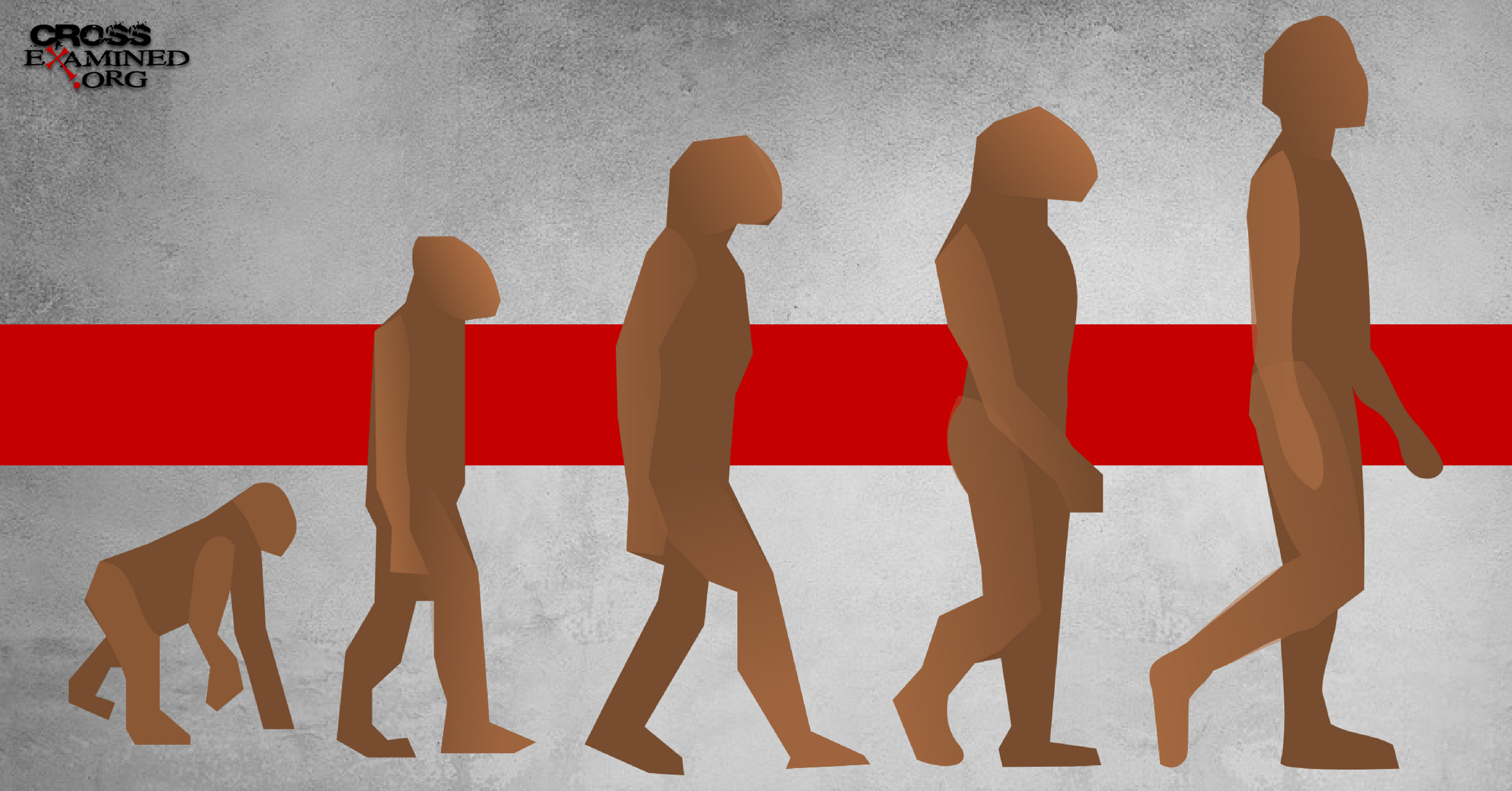
Charles Darwin. Evolution. Perhaps no other man and no other idea has had a broader influence on Western culture. In On the Origin of Species by Means of Natural Selection, first published in 1859, the way we perceive our world and ourselves has been transformed. For those who have embraced Darwinism, humanity and every other living thing are the end products of a natural process. There is no Creator. There is no purpose. There is simply survival. Humanity is a cosmic accident.

Since 1888, scientists and academics have claimed that Darwinian evolution is as certain a fact as gravity. The momentum behind Darwin’s theory has been strengthened in the 20th century, to the point where almost every aspect of human behavior and culture has been subjected to a process of evolutionary explanation. Today, scientists who are merely skeptical of evolution risk losing their jobs if their views become known.

In the face of such an attack, what should a Christian think? In my own experience, I was always convinced that evolution was false. Not because I knew anything about it, rather, I was certain of the existence of God and the reliability of the New Testament. I believed I had adequate justification for believing in a literal Adam and Eve, in the Fall, and in the person and work of Jesus Christ.

But for many years I was plagued by an internal conflict. Evolution aside, I have always loved science. Ever since I was a physics major in college, I have adhered to the adage that science is “thinking God’s thoughts after Him.” Despite the myriad apparent conflicts between science and religion, I suspected that Psalm 19:1—“The heavens declare the glory of God”—meant that the study of creation was compatible with the Christian worldview.

Then, in 2010, I enrolled in the Science and Religion program at Biola. During my first year, I took a class that focused on Darwin. At the time, Darwin seemed like the Mount Everest of a “Science and Religion” program. Looking back on it now, this topic embodied everything that made the program so valuable. The tools I learned and the confidence I gained have transformed my faith.

I always rejected evolution, not because I understood the science, philosophy, or history surrounding it, but because I trusted God more. Today, I know the reasons why Darwinian evolution is not a fact, and I must emphasize that none of them are based on Christian doctrine.

That may alarm some of you, so let me explain. There are many myths and distortions about the relationship between science and Christianity. Perhaps the worst is that science and Christianity are in hopeless conflict, that the Christian Church has been an impediment to science since Galileo. In reality, the foundations of modern science, the assumptions that made science possible, come from the Christian worldview. The pioneers of modern science were all committed Christians, most of whom saw science, in Kepler’s words, as “thinking God’s thoughts after Him.”

In other words, science and Scripture are simply two sources of revelation. There is the “book of nature” and the “book of Scripture.” These two “books” cannot contradict each other because they have the same author, God. When they seem to contradict each other, then something has gone wrong with our understanding of Scripture, nature, or both.

Since Galileo’s confrontation with the Catholic Church in the 17th century, there have been conflicts between the doctrines promoted by the Church and the conclusions of science. In Galileo’s time, almost everyone accepted an earth-centered view of the cosmos that originated with the Greeks and was later sanctified using certain passages from the Old Testament. Galileo questioned the conventional wisdom of his day and advocated an idea that would not be widely accepted for another century.

In the 19th century, Charles Darwin also challenged widely accepted ideas about God’s role in the creation of the world. Christianity has since been challenged by a variety of conclusions based on his writings.

How should we deal with these challenges? The first and most important step is to understand them. We should not run away from something that attacks our Christian worldview. We should run toward it. Engage, learn, and trust that God is sovereign.

As we engage with evolution today, I want to assure you that we are not going to wander into the tall grass of the biological sciences. We are not going to talk about the Prevalence of Functionally Significant Glutathione S-Transferase Genetic Polymorphisms in Dogs. (That is the topic of a research project my daughter, a biochemist, cell and molecular biology major, has been working on since last summer.) Not because the science is not important, but because it takes much longer than we have available today. Plus, there are much more obvious problems with Darwinian evolution.

Darwin’s theory is supposed to have been the triumph of science over the myths of religion. It is said that Darwin was not influenced by religion; he studied nature and “discovered” how it really worked. From his empirical observations, he proposed an idea that explained how life developed through natural processes without the direct intervention of a creator. In reality, Darwin had certain assumptions about God and how He would create that which were inconsistent with what he found in the natural world. In short, Darwin was convinced that his theory was true because his God would not have created the world as we find it.

My top priority this morning is to be understood, so I want to be clear about what I mean. I also want to inform, which means some of what I share may be challenging and new to some of you. I ask for your patience as we move forward. I’ll be here to answer questions and the content of this talk, along with a list of some relevant books that you can find on my website under “resources.”

I’m going to cover two things this morning. First, I’m going to discuss some terms that are central to this topic. Next, we’re going to consider theological ideas that were at work in the 19th century and that still influence public perception of the relationship between science and Christianity.

Terminology

Whether you’re interacting with someone with a different worldview or just trying to learn more about a topic, navigating terminology is a crucial task. You have to be aware of words you haven’t heard or seen before. Whether I’m reading or having a conversation, I’m always on the lookout for these words. If I’m reading, I’ll stop and look up the word. In a conversation, it’s difficult, but still important to interrupt and ask the other person what that word means. If they can explain the term to you, it will definitely improve the conversation greatly. If they can’t, you may or may not be able to continue. Regardless, it’s important to avoid either party in a conversation assuming what certain words mean.

Evolution

So what does the word evolution mean? That depends on the context and the author’s intent. On this topic alone, there are actually six different definitions that are routinely used. Only one definition is in plain view this morning, but if you read articles or blogs about evolution, you may encounter one or more of these definitions. You may even find authors who use the word in one sense, then switch to a different meaning later in the same article.

  • They change over time.  To quote Screwtape’s letters, “…to be in time means to change.” The study of nature frequently involves discerning what happened in the past from evidence we can examine today. Clearly, no one is going to disagree with this definition.
  • Change in the distribution of different physical traits within a population.  This refers to a field within biology known as population genetics. It studies the genetic makeup of biological populations and the changes in genetic makeup that result from the operation of various factors, including natural selection.
  • Limited common ancestry.  “The idea that particular groups of organisms have descended from a common ancestor.” The best-known example of this is the finches found on the Galapagos Islands. Today there are many examples of different species that probably have a common ancestor.
  • The mechanism of limited common descent, natural selection acting on genetic mutations.  Darwin’s theory had three premises: organisms varied, variations could be inherited, and all organisms were under pressure to survive. Variations that improved survival were passed on to other generations. Again, in a limited sense, such variation is observed, and it is plausible that survival could select for certain traits over others.

None of the definitions so far are controversial. However, the next two are where most of the disagreements occur.

  • Universal common descent.  This definition of evolution states that every organism descends from a single original organism. As controversial as it may seem, it is not the final word on what most scientists believe evolution is all about.
  • Thesis “The Blind Watchmaker”

The term “blind watchmaker” was coined by Richard Dawkins in the title of his 1986 book, The Blind Watchmaker: Why the Evidence for Evolution Reveals a Universe Without Design. Dawkins was ridiculing an argument made by William Paley published in 1802. Paley argued that the existence of a watch implies the existence of a watchmaker, whereas a rock merely implies the processes of geology over time.

This definition of evolution says that all organisms have ascended from common ancestors solely through an unguided, unintelligent, purposeless material process. This process is entirely sufficient to account for the appearance of design in living organisms.

Or more succinctly, “Molecules to men by means of chemistry and physics.”

This final definition is what really drives the worldview conflict between materialism and Christianity. It has a couple of other names: “Darwinism” or “neo-Darwinism.” (The term below is a more technical and specific one in that it refers to the integration of Darwinism and the science of population genetics in the mid-20th century.)

While you should always push for definitions, when you hear Darwin or evolution invoked in a discussion of human origins or the development of life, you can be sure that the idea of ​​”molecules for men” is what is meant.

Science

The term science does not need a definition with so many warning labels. Since it is in the title of my specialization, I will not be surprised if I have developed some opinions on the subject. I will limit myself to two ideas.

First, science cannot be limited by a specific detailed definition. There is no definitive list of criteria that says, “that’s science, but this other field isn’t!” In other words, specific examples of science (e.g., physics, biology, and paleoanthropology) seem obvious, however, coming up with a list of criteria that separates astrology from astronomy, for example, is harder to do. Almost everyone will agree that simply studying the motion of stars and planets does not make astrology a science.

Second, beware of an exaggerated view of science as a source of knowledge. The view known as “scientism” claims that the only things that can be known come from the natural sciences. It is a tactic designed to give the man in a lab coat, as opposed to a theologian or philosopher, a privileged status that ends discussion. It is also a self-refuting concept because there is nothing we can learn from science. However you define science, that proves scientism.

Theology

Theology is the study of the nature of God. I believe that the Bible is the best source of theology. But we can also learn something about the nature of God from other disciplines, such as science and philosophy.

Human nature

Now that I have defined Darwinism, I should also touch on the term human nature. Obviously, this is a topic of vast human experience. An entire lecture could be devoted to addressing this topic. How you define human nature is determined by your worldview. One can approach this question from a scientific, philosophical, or theological perspective. For my purposes this morning, I simply want to address the crucial differences between human nature according to Darwinism and human nature according to Christian theism.

From the perspective of Darwinism, humans and all living things are simply the end result of a blind, unguided physical process. In other words, we are simply animals. The process of natural selection has been invoked to explain almost every aspect of human culture and behavior. Many of these explanations are simply unsubstantiated stories, but they have captured the imagination of many. From religion to sexual infidelity to altruism, there is an evolutionary story for everything related to human nature.

Darwinism denies the possibility of the soul; it leaves no room for the existence of the immaterial. As a consequence, one must confront the idea that everything we do, everything we think, everything we feel is not evidence of our soul, but is simply the result of a physical process.

According to Darwinism, the difference between human beings and any other animal is a matter of degree , not kind . Let me illustrate with an example what I mean by these two words.

Steph Curry and Russell Westbrook have reputations for being among the best point guards playing in the NBA right now. The difference between them is a matter of degree . However, if we were to compare Curry or Westbrook to a basketball, we would have to say that the ball is a different kind of thing.

Since we’re just animals, it shouldn’t be surprising that ethical decisions about humans and animals are a little different for Darwinists. Peter Singer, a professor of bioethics at Princeton University, popularized the term speciesism , which refers to privileging members of a particular species over others. In other words, it’s not always wrong to kill human beings under circumstances such as severe mental or physical disadvantages. Some environmentalists have seized on this idea to argue that the death of a logger or the economic destruction of a community is acceptable when weighed against the safety of one type of animal.

The Christian view of human nature is radically different. In addition to being grounded in Scripture, it is also consistent with our deepest experience and intuitions.

According to Christianity, human beings are unique in creation, a completely different kind of creature from any other animal. We are physical creatures. We are similar to other animals in many ways. However, we also have an immaterial nature, a soul if you will. I have always liked this passage from Screwtape’s letters:

Humans are amphibians, half spirit and half animal… As spirit, they belong to the eternal world, but as animals they dwell in time. This means that while their spirit can be directed toward an eternal object, their bodies, passions, and imaginations are continually changing, because to be in time means to change. (p. 37)

I would object to Screwtape insofar as we are not “half spirit and half animal” but are embodied souls. Our soul completely occupies and animates our bodies. Our soul can also exist apart from our bodies, but a human body cannot continue without a soul.

The most essential aspect of human nature, what makes us unique, is found in the phrase “the image of God” first mentioned in Genesis 1:26-27.

Then God said, “Let Us make man in Our image, after Our likeness; and let them have dominion over the fish of the sea and the birds of the sky and the livestock and all the earth and over every creeping thing that creeps on the earth.” God created man in His own image, in the image of God He created him; male and female He created them.

To briefly unpack this sentence, if we consider the Hebrew words used here for “image” and “likeness” and the Greek word (eikōn), it would seem that God created us to be similar, but not identical to himself.

Consider just three ways we are similar to God.

  • We are spiritual. Part of our nature is an immaterial soul or spirit united with a physical body.
  • We are personal, that is, we are conscious and rational beings. We have a mind, will and emotions.
  • We have the power to choose. Sometimes called free agents, we have the ability to deliberate and make decisions.

Finally, no discussion of the Christian view of human nature would be complete without considering the Fall. As unique as we are, as much as we were created to be in communion with God and with each other, the most certain and painful fact is that something is terribly wrong.

Darwinism and the materialistic worldview it supports must deny our daily awareness of evil. In ourselves, in our culture, even to some extent in creation itself, we are constantly confronted with the results of human rebellion.

Christianity explains the existence of evil, our acceptance and repulsion of it, and offers a solution in the person and work of Jesus Christ.

Theological foundations of Darwinism

In Matthew 16, Jesus asked His disciples, “Who do you say that I am?” This is the most important question any person will ever answer. Understanding who Jesus is and what He did is an essential step toward trusting Him as your personal Savior.

That question is so relevant that God the Father asked it. What you believe about God has a profound effect on every aspect of your life. Our perception of reality, how we choose to live, how we choose to solve our problems, everything about us is ultimately affected by our view of God.

This is no less true in science. As long as people have tried to understand nature, their beliefs about what or who created the world have impacted how they understand nature.

In the 19th century, there were several trends in theology that set the stage for Darwinism. Consider one example. It was argued that it would degrade God to believe that each animal species was a unique act of creation. Rather, God would be a wiser and more capable creator if the ability to create species by some natural process was built into creation. This view also downplayed or discounted other things that God did, such as miracles in the New Testament. This was sometimes referred to as “The Great Theology of God.” Ideas like this and others we will now consider motivated Darwin to reconcile what was observed in nature with the theology of his time.

Natural Theology and the “Theory of Creation”

The idea that God created is not really controversial in Christianity. It’s right there in the first verse, “In the beginning, God created the heavens and the earth.” Now a tremendous amount of words have been written about this verse and all that it means, yet no one doubts that central phrase: “God created.”

In the 18th and 19th centuries, the view of creation was that from the movement of the heavens to the myriad animals and plants occupying the earth, all of creation was a perfect, harmonious system that reflected God’s wisdom and benevolence. Beginning in the 17th century, a variety of theologians and scientists promoted the idea that evidence for God could be found in the study of nature. Known as “natural theology,” this field reached its peak in the works of William Paley in the early 19th century. Natural theology argued, some would say brilliantly, that evidence for design could be found in nature.

However, there was a significant flaw in Paley’s view. Paley believed that God’s purpose in creation was the happiness of his creatures. Creation was idealized in such a way that God’s Benevolence and Wisdom were seen everywhere. Let me read a quote from Paley’s book, Natural Theology:

“Es un mundo feliz después de todo. El aire, la tierra, el agua, rebosan de una existencia encantada. En un mediodía de primavera o una tarde de verano, en cualquier lado que gire mis ojos, multitudes de seres felices se amontonan ante mi vista. Los insectos jóvenes están volando. Enjambres de moscas recién nacidas están probando sus alas en el aire. Sus movimientos deportivos, sus laberintos, su actividad gratuita, su continuo cambio de lugar sin uso ni propósito, dan testimonio de su alegría y de la exaltación que sienten en sus facultades recientemente descubiertas. Una abeja entre las flores en primavera es uno de los objetos más alegres que se pueden contemplar. Su vida parece ser todo un placer, tan ocupada y tan feliz: sin embargo, es solo un ejemplar de vida de insecto”.

En resumen, los teólogos naturales afirmaron que la naturaleza demostró la sabiduría y la bondad de Dios, pero ignoraron su providencia, juicio o uso del mal.

El problema del mal natural

El problema del mal es algo que ha acosado la creencia cristiana durante mucho tiempo. Si no has escuchado esa frase antes, se refiere a la tensión que existe entre las instancias obvias del mal que encontramos en el mundo y las características típicamente atribuidas a Dios. A veces se plantea como una pregunta: “¿Cómo puede Dios ser benevolente y omnipotente, y permitir el mal que experimentamos en el mundo?”

La mayoría de las discusiones sobre este tema hacen una distinción entre el mal moral y el mal natural. El mal moral es simplemente lo que las personas han estado haciendo desde que Adán y Eva se rebelaron en el Jardín. El mal natural, en términos generales, es cualquier cosa en la naturaleza que causa la muerte o el sufrimiento. Esto podría incluir desde terremotos, enfermedades y todas las cosas horribles que los animales le hacen a los demás.

Darwin, como otros naturalistas, no vio felicidad y alegría en la creación. Vio la muerte, el sufrimiento y el desperdicio que no podía conciliar con la creación “feliz” de Paley. Estaba particularmente molesto por el sufrimiento y la muerte que se encuentran en el reino animal. Un ejemplo particular fue un tipo de avispa que deposita sus huevos en el cuerpo de una oruga. Después de la eclosión, la larva comienza a consumir el huésped mientras aún está vivo.

La solución de Darwin, consistente con la gran teología de Dios, era que Dios no creó la avispa parásita ni ninguno de los otros males naturales en el mundo. Más bien, Dios creó un sistema de leyes naturales que resultó en el mundo que estudió. En una carta a Asa Gray (un botánico estadounidense) Darwin resumió su punto de vista de esta manera. “Me inclino a considerar todo como resultado de leyes diseñadas, con los detalles, ya sean buenos o malos, dejados a la resolución de lo que podemos llamar azar”.

Para decirlo de otra manera, Dios, directamente actuando en la creación, fue rechazado con el fin de hacer que la existencia del mal natural sea comprensible para los seres humanos. Si Dios no creó directamente cada especie individual, sino que simplemente creó el sistema natural que resultó en la especie que tenemos hoy, entonces Dios no es directamente responsable del mal natural.

“La naturaleza no es perfecta”

Un segundo aspecto de la teología natural al que objetó Darwin, es que toda la creación reflejaba la perfección de Dios. Por supuesto, lo que se entiende por perfección aparentemente estaba abierto a una gran variedad de interpretaciones. Para Darwin y muchos otros, ésto ha sido la afirmación de que muchas cosas que se encuentran en la naturaleza están mal diseñadas.

Tal vez el ejemplo más popular de mal diseño en la naturaleza es el órgano vestigial. Cuando un órgano o estructuras ya no se necesitan, es un “vestigio” del proceso evolutivo. Fue necesario en una especie ancestral, pero la evolución todavía tiene que eliminarlo. En 1895, un anatomista alemán publicó una lista de 86 órganos vestigiales en el cuerpo humano. No estoy al tanto de un solo ejemplo creíble hoy. Los órganos vestigiales no son evidencia de evolución. Son una combinación de asumir que la evolución es verdadera e ignorar la función de un órgano en particular.

Un ejemplo más moderno de un reclamo de mal diseño se conoce como “ADN basura”. Este término fue originalmente acuñado en 1972. Cuando comenzó la investigación sobre cómo funcionaba el ADN, lo primero que se descubrió fue la correlación entre ciertas secuencias de bases de ADN (“peldaños” en la escala de ADN) y la producción de ciertos aminoácidos (20 moléculas orgánicas diferentes que componen las proteínas). La función de vastas regiones de ADN fuera de esta “codificación de proteínas”, más del 98% del genoma humano fue descartada como “basura”, hasta hace unos cinco años. El proyecto Enciclopedia de elementos de ADN (ENCODE) comenzó a publicar resultados que demuestran que se están utilizando vastas regiones del “ADN basura” en el genoma humano.

Similar a los órganos vestigiales, la ignorancia combinada con una aceptación de la evolución, resultó en la conclusión de que la investigación posterior ha demostrado ser incorrecta. En resumen, la existencia del “ADN basura”, algo que una vez fue dogma, ahora se está convirtiendo en otra predicción fallida del darwinismo.

Naturalismo teológico

Una tercera idea teológica que motivó Darwin y muchos otros en el siglo XIX tiene que ver con: cómo Dios actúa en la creación. Para aclarar esto, debo hacer una distinción entre causas primarias y causas secundarias. Un evento que es causado por Dios e imposible por cualquier otro medio, un milagro, es un ejemplo de causalidad primaria. Algo que ocurre de acuerdo con la ley natural es un ejemplo de causalidad secundaria. Por ejemplo, la separación del Mar Rojo cuando los judíos huyeron de Egipto fue la causa principal, la muerte del ejército egipcio capturado cuando se liberó el agua era una causalidad secundaria.

Para muchos teólogos y científicos, desde antes de Darwin hasta nuestros días, la ciencia no es posible si Dios actúa en el mundo. Si la causalidad primaria es posible, entonces es imposible saber la diferencia entre un evento causado por la ley natural y un evento causado por Dios. Para estudiar la naturaleza, para entender la estructura de las “leyes” que la rigen, debemos suponer que Dios nunca actuó en la creación.

El efecto neto de esta visión no niega que Dios fue el creador del universo, simplemente significa que no hay evidencia de que lo haya hecho. Por supuesto, eso no es lo peor. Si Dios no ha hecho nada desde el momento de la creación, la encarnación y la resurrección de Jesús no podrían haber sucedido.

Tal vez la forma más sencilla de resumir este punto de vista es que no se puede confiar en Dios. Si Él es capaz de actuar en la creación, Él es capaz de engañarnos. La ciencia se convertiría en el “estudio” de los caprichos y el comportamiento impredecible de un ser omnipotente.

El naturalismo afirma que todo surge de las propiedades y causas naturales; las explicaciones sobrenaturales o espirituales están excluidas o descontadas. Para los teólogos en el siglo XIX, esto significaba que Dios actuó en la creación a través de las leyes que Él creó. Argumentaban que Dios era más grande, que se glorificaba más si no intervenía en la creación. El Dr. Cornelius Hunter se refiere a esto como   naturalismo teológico porque el razonamiento teológico lo motivó.

Hoy la posición predeterminada de la ciencia es una vista conocida como naturalismo metodológico. Esta es la idea de que cuando estás haciendo ciencia, solo puedes considerar las causas naturales. Las acciones de un agente inteligente no pueden ser consideradas.  Dios no actúa en la creación. A partir de ahí, es un viaje corto al ateísmo, donde Dios no existe.

Pero permítanme enfatizar este punto: los orígenes del naturalismo que motivaron a Darwin y que se han convertido en dogmas dentro de la ciencia hoy en día fueron filosóficos. El naturalismo no fue una conclusión de la ciencia; fue un punto de partida.

Conclusión

La naturaleza humana según Darwin, ¿cómo debería responder el cristiano? Primero y, ante todo, cuando te enfrentas a una cosmovisión opuesta, debes entender lo que cree y por qué. Al explorar algunos términos y fundamentos teológicos, les ofrezco una introducción a la cosmovisión del darwinismo.

Proporcioné un resumen de algunas de las ideas sobre Dios y su papel en la creación que motivaron a Darwin. Ya que en el origen de las especies fue publicado hasta el día de hoy, el darwinismo se ha basado en una percepción de Dios que no se puede encontrar en las Escrituras. O Dios está ausente de la creación y no puede intervenir, o es incompetente porque la naturaleza está llena de “mal diseño”. La evolución se acepta como verdadera porque una visión distorsionada de Dios y la creación parece ser falsa.

Esto no es solo acerca de la ciencia. No se trata solo de religión. Es un ejemplo de cómo las suposiciones sobre Dios y la religión dirigen el proceso de la ciencia. El darwinismo no es una realidad. El darwinismo es menos que una ciencia, es menos que un punto de vista teológico que reclama el apoyo empírico de la ciencia.

La naturaleza humana según el darwinismo, incluida su negación del alma y la negación de la singularidad humana, no se aprende de diversas disciplinas científicas. Es implícito por la ciencia y, por lo tanto, es aceptado porque el darwinismo es aceptado. Sin embargo, si el darwinismo es falso, entonces todo lo que dice sobre la naturaleza humana también es falso.

El tiempo no permitió abordar la evidencia utilizada para apoyar y criticar el darwinismo. Lo que puedo decir en términos de un resumen es que la evidencia del darwinismo solo es convincente si ya estás convencido de que es verdad. En la página de recursos en mi sitio web, la charla de hoy está disponible junto con una lista de varios libros que cubren el material de hoy en más profundidad. También te animo a que revises los libros que se centran en las críticas científicas del darwinismo.

Me gustaría dejarte algunas preguntas para hacerle a alguien que cree que en “de moléculas a hombres por medio de la física y la química” es la mejor explicación para la gran diversidad de vida que encontramos.

  1. ¿Cuál es la evidencia de la evolución?
  2. ¿Cuál es la visión cristiana de la creación?
  3. ¿Cómo se originó la vida?

Cada una de estas preguntas, dependiendo de las respuestas que recibas, podría seguirse con dos preguntas. (1) ¿Qué quieres decir con eso? (2) ¿Cómo llegaste a esa conclusión? Estas dos preguntas de la técnica de Columbo de Greg Koukl buscan aclaración y evidencia que lo ayudarán a comprender mejor la perspectiva de la otra persona.

It has been my prayer, as I prepared for today, that the summary I would offer here would encourage believers. It is also my prayer that you will leave today motivated to learn more about this topic and others that will be discussed today. As Christians, we are heirs to a tremendous heritage of thought that I fear has been abandoned. We worship a Being who created all things, sustains all things, and knows all things. Our trust in God must not be limited to our salvation. God is sovereign over everything. He is sovereign over every domain of human knowledge. He is sovereign over every lie that can deceive.

Don’t run away from a challenge. Commit, learn, and trust that God is Sovereign.


Translated by Malachi Toro Vielma.

Edited by Maria Andreina Cerrada.

Original Blog: http://bit.ly/2QaZJJ5

By Brian Chilton

Recientemente estaba conversando con un amigo mío que estaba encaprichado con una persona que no necesariamente compartía los mismos sentimientos. De hecho, no era algo claro lo que la otra persona en realidad deseaba en la relación. No mencionaré más acerca de esta situación por respeto a los involucrados. Esta situación ha causado que piense bastante acerca del amor, qué es y qué es lo que implica. Me parece que para que el verdadero amor sea genuino debe ser recíproco. Eso es que, debe ser aceptado por ambos individuos en la relación. Podemos aprender bastante acerca del amor desde la relación trinitaria de Dios.

I. El amor es recíproco en la relación trinitaria.

Cuando intentamos explicar la naturaleza trinitaria de Dios, Norman Geisler usa el ejemplo del espíritu de amor genuino para explicar este difícil concepto teológico. La ilustración de Geisler no es original de él, la tomó de Agustín de Hipona. Lo siguiente es la representación de Geisler del amor en la relación trinitaria de Dios:

Agustín sugirió una ilustración de cómo Dios es uno y tres al mismo tiempo. La Biblia nos dice que “Dios es amor” (1 Juan 4:16). El amor incluye un amante, un amado y un espíritu de amor entre el amante y el amado. El Padre podría ser comparado con el amante, el Hijo con el que es amado y el Espíritu Santo es el espíritu de amor. Sin embargo, el amor no existiría a menos que estos tres sean como uno solo. Esta ilustración tiene la ventaja de ser personal ya que incluye al amor, una característica que fluye solo de personas”[1].

Viendo que Dios es amor (1 Jn 4:16), la relación entre el Padre, el Hijo y el Espíritu Santo es una demostración del amor perfecto en su forma más pura. El amor no es forzado. El amor es aceptado y fluye de una persona a otra. Hay un amante —el que inicia el romance, el amado —el que recibe el amor del amante, y el espíritu de amor —el amor recibido mutuamente entre las dos partes. En el caso de la relación trinitaria, el amor es dado mutuamente y recibido por los tres miembros de la Deidad. Podemos aprender bastante acerca del amor a través de Dios.

II. El amor es recíproco en las relaciones humanas.

Dios es la perfecta demostración de amor como pudimos notar en la sección anterior. El ejemplo de amor de la Trinidad se transfiere a sanas relaciones amorosas humanas. ¿Cómo así? Las relaciones sanas incluyen a dos personas que se aman mutuamente. Consideremos un ejemplo hipotético de una persona A (lo llamaremos Adán) y una persona B (la llamaremos Bárbara). Digamos que Adán ama a Bárbara y expresa su amor hacia ella. Sin embargo, Bárbara no ama a Adán. Adán trata y trata de que Bárbara lo ame, pero ella no corresponde a sus emociones. ¿Es esto verdadero amor? ¡Por supuesto que no! El amor de Adán no es recíproco.

Consideremos otro caso. Digamos que Bárbara ama a Adán, pero Adán no siente lo mismo. Bárbara manipula a Adán para iniciar una relación. Se llegan a casar, pero Adán nunca tuvo los mismos sentimientos que tiene Bárbara hacia él. Esta relación no es una basada en el amor, sino en el control y la manipulación. El verdadero amor tiene que ser recíproco.

Para que el amor de Adán y Bárbara sea genuino, Adán debe expresar su amor hacia Bárbara. Bárbara debe recibir su amor. Entonces, Bárbara expresará su amor hacia Adán y su amor será recibido abiertamente. Esta relación hipotética nos muestra cómo el verdadero amor requiere un amante (el que envía amor), un amado (el que recibe el amor), y un mutuo espíritu de amor entre los dos.

III. El amor es recíproco en las relaciones humanas/divinas

Desde que el amor genuino es visto en la eterna relación trinitaria de Dios y que el verdadero amor es recíproco entre dos individuos conscientes, entonces solo tiene sentido que Dios nos inculca su amor no a la fuerza, sino por reciprocidad. Es decir, Dios ofrece libremente su amor a individuos. Él no fuerza su amor a alguien. Recuerda, ¡el amor forzado no es amor genuino! Dios dice a través de su profeta Ezequiel, “¿quiero yo la muerte del impío?… ¿no vivirá si se apartare de sus caminos?” (Eze. 18:23)[2]. Jesús dice que “y como Moisés levantó la serpiente en el desierto, así es necesario que el Hijo del Hombre sea levantado, para que todo aquel que en Él cree, no se pierda, mas tenga vida eterna” (Jn 3:14-15). En este caso, Dios es el amante, y los seres humanos son los amados. Pero, el verdadero amor debe ser recíproco.

¿Pueden los individuos buscar a Dios por su propia cuenta? ¡Absolutamente no! La gracia de Dios debe ser extendida hacia ellos primero. Esta verdad es vista en la descripción de Jesús del ministerio del Espíritu Santo. Jesús muestra que el Espíritu Santo “convencerá al mundo de pecado, de justicia y de juicio. De pecado, por cuanto no creen en mí; de justicia, por cuanto voy al padre, y no me veréis más; y de juicio, por cuanto el príncipe de este mundo ha sido ya juzgado” (Jn 16:8-11). En este caso, vemos que Dios es el amante, los seres humanos son los amados y el espíritu trabajando para producir este amor es el Espíritu Santo. El amor forzado no es amor. Dios no fuerza a una persona para la salvación. Él dá su amor libremente y su amor debe ser libremente recibido, sino, no es verdadero amor.

Conclusión

Cuando aconsejo parejas que están planeando casarse, siempre les digo que, si ellos quieren amarse el uno a el otro, deben primero conocer a Dios porque Dios es amor. Porque Dios es amor y demuestra el amor perfecto, no debería sorprendernos descubrir que el amor exuda en las relaciones humanas cuando imita el amor de Dios. Los sistemas teológicos necesitan también aceptar este entendimiento del amor. El amor genuino debe tener un amante, un amado y el espíritu de amor. Sino, una relación podría existir, pero no seria una relación de amor verdadero.

Notes

[1] Norman L. Geisler, “Trinity”, Enciclopedia Baker de apologética cristiana, referencia librería Baker (Grand Rapids, MI: Baker books, 1999), 733.

[2] A menos que se indique lo contrario, todas las citas bíblicas son de Christian Standard Bible (Nashville: Holman, 2017).


Brian G. Chilton es el fundador de BellatorChristi.com y es el presentador de The Bellator Christi Podcast. Recibió su Maestría en Divinidad en Liberty University (con alta distinción); su Licenciatura en Ciencias en Estudios Religiosos y Filosofía de la Universidad Gardner-Webb (con honores); y recibió la certificación en Christian Apologetics (Apologética cristiana) de la Universidad de Biola. Brian actualmente está inscrito en el programa Ph.D. en Teología y apologética en Liberty University. Brian ha estado en el ministerio por más de 15 años y sirve como pastor en el noroeste de Carolina del Norte.

Blog Original: http://bit.ly/2ri6wqu

Traducido por Italo Espinoza Gomez

Editado por María Andreina Cerrada

By Marcia Montenegro

The Trinity can be considered a rather neglected doctrine in the church today, even seen as secondary by many. In this article, we will consider and evaluate some responses from Christians and non-Christians who oppose the importance and necessity of the doctrine of the Trinity.

Nontrinitarians appear to be Christians, especially in their declaration of love for Jesus, but if the subject of the Trinity comes up, they regard it as an unproblematic, pagan, evil, man-made, unbiblical doctrine, etc. All nontrinitarians deny the personality of the Holy Spirit.

The main question is: if the Trinity is not true, then who is Jesus?

There are numerous Christian scholars who have written books on this topic, with answers to both Trinity and anti-Trinitarian views. I have added a list of resources at the end for those who want to read further.

Objections to the Trinity and their responses

Objection: “Well, no one really understands the Trinity, so if people don’t accept it, that’s fine.”

It is true that no one understands the Trinity in its entirety because we are dealing with the nature of God. Since God is not created, we as created beings cannot grasp the full nature of God. However, He has revealed all of His attributes in His Word, and so we can know many things about God.

Since God is uncreated, the Trinity has no counterpart on Earth. That is why there is no analogy for it. Most analogies describe modalism (God takes on the roles of three persons), tritheism (three persons instead of one), and when examined, they break down. I do not use an analogy. I say that God is three coeternal, coequal persons who are one substance. “Persons,” by the way, does not mean a human person, but it is the proper way to describe the three in the Trinity.

Other ways to describe the Trinity are:

  • There is only one God.
  • God exists eternally in three distinct persons.
  • The Father is God, the Son is God, and the Holy Spirit is God.
  • The Father is not the Son; the Son is not the Father, the Father is not the Spirit, etc. [1]

Objection: “After they believe in Jesus, that’s all that matters.”

But who is the Jesus they are believing in?

Concerning the Trinity, there are two main heresies:

  • Oneness or Modalism (sometimes called Sabellianism, named after the 3rd century heretic Sabellius), teaches that God is one person (a unitary view of God) who manifests as the Father, Son, and Holy Spirit; and/or one God who has 3 roles or “functions”, such as Father, Son, and Holy Spirit.
  • Arianism (named after Arius, a 3rd/4th century heretic), teaches that Jesus is a created being and is less than God.

The Modalist view includes:

  • Jesus is God the Father.
  • Jesus is God incarnate.
  • The Holy Spirit is part of God/Jesus.
  • The Father is the “divine nature,” and Jesus is the “human nature” of God.

In contrast, the Bible unequivocally says:

  • Jesus is the Son of God, distinct from the Father; Jesus cannot be the Son of God if God the Father is also.
  • Jesus spoke of his Father in several passages.
  • Jesus prayed to the Father.
  • Throughout the Gospel of Saint John, Jesus speaks of how God sent him (Jesus) to Earth.
  • The Holy Spirit is given the same attributes of deity as God [2] .

Trinity

Illustration of the Trinity

The Holy Spirit is given personal characteristics and is referred to as a Person, and not as a mere force, power or energy [3] .

Some Oneness believers say that when Jesus prayed to God, it was human nature praying to divine nature. But natures don’t pray, individuals pray. Furthermore, it would be deceptive for God to make it appear that Jesus was praying to someone else when, in fact, he wasn’t.

The Jesus of the non-Trinity Arians, Jehovah’s Witnesses, Mormons, Christadelphians, Wayfarers, and other sects is a created Jesus. He has a beginning and is not equal to the Father. This is clearly a false Jesus, and is easier to refute than the Jesus of Modalism/Oneness, which is arguably more complicated and difficult to refute.

heresies-chart

Arius (250-336) taught that Jesus was a created, finite being, and was declared a heretic by the Council of Nicaea in 325. So the real Jesus is not the Jesus of Modalism/Oneness or the Arian Jesus, and therefore belief in such a Jesus is fruitless.

Objection: “We are not saved by perfect doctrine.”

We are not saved by doctrine, but by faith, but such faith must be an informed faith. If our doctrine as to who Jesus or God is is incorrect, then we do not have faith in the right Jesus. We can get little things wrong, but not about who Jesus is, because we will have the wrong Jesus, making him unable to save.

Doctrine simply means “teachings.” The teachings of who God and Jesus are have to be true and based on God’s revelation in Scripture. Otherwise, it’s a false God and Jesus. It’s really basic. This objection is a “straw man.”

Just because the word “Jesus” is used by Oneness believers or Arians, it does not mean that it is the correct Jesus. Pay attention to statements of faith, because statements by Oneness believers can be quite misleading. They may say they believe in the “Triune God” without referring to the biblical Trinity.

Modalists can affirm the Apostles’ Creed without believing in the Trinity. They read their own meaning into who Jesus is. An example of this statement is found on the church’s website “Dan Dean’s Oneness” (Phillips, Craig & Dean). They give the Apostles’ Creed as their beliefs. There is no affirmation of the Trinity and no clarification as to the person of the Holy Spirit (because they are a Oneness Church [4] ).

Who is Jesus if the Trinity is not true?

If there is no Trinity, where does that leave Jesus? Here are the options:

  • He is a minor God.
  • It’s another God.
  • He is not the Son of God, but the Father.
  • He is just a man without divinity.

These points clearly answer the question, “If the Trinity is not true, then who is Jesus?” It leaves Jesus as a false Jesus. This should establish why the Trinity is essential to the faith and cannot be denied by anyone who calls himself a Christian. It is good to point this out to those who say that the doctrine of the Trinity is not essential or primary.

Recognized antitrinitarians

There are many well-known people who were or are antitrinitarians, dead and alive:

  • William Branham (Modalism), a highly influential figure in the erroneous and sectarian movements in the Church today; there are Branham teachings and followers all over the world [5] [6] .
  • Jakes (Modalism) [7] [8] .
  • Phillip, Craig & Dean (Modalism) [9] [10] [11] .
  • Roy Masters (Arian) [12] [13] .
  • Ron Dart (similar to Arianism), still heard on Christian radio [14] [15] .
  • The Armstrong cults (Worldwide Church of God), polytheistic (the Father and Jesus are separate gods) [16] [17] [18] [19] .
  • The Way (formerly called “The Way International”), Arians [20] [21] .

Some verses about the Trinity (there are many more)

“And Jesus, after he was baptized, went up straightway out of the water: and, behold, the heavens were opened unto him, and he saw the Spirit of God descending like a dove, and lighting upon him. And a voice from heaven said, This is my beloved Son, in whom I am well pleased” (Matthew 3:16-17).

“Therefore, being exalted to the right hand of God, and having received from the Father the promise of the Holy Spirit, He has poured out this which you now see and hear” (Acts 2:33).

“how God anointed Jesus of Nazareth with the Holy Spirit and power, and how he went about doing good and healing all who were oppressed by the devil, for God was with him” (Acts 10:38).

“But the Helper, which is the Holy Spirit, whom the Father will send in my name, he will teach you all things, and will remind you of all that I have said to you” (John 14:26).

“But when the Advocate comes, whom I will send to you from the Father, even the Spirit of truth, who proceeds from the Father, he will testify of me” (John 15:26).

“How much more will the blood of Christ, who through the eternal Spirit offered himself without spot to God, cleanse your conscience from dead works to serve the living God?” (Hebrews 9:14).

“The grace of the Lord Jesus Christ, and the love of God, and the fellowship of the Holy Spirit be with you all. Amen” (2 Corinthians 13:14).

Additional Resources on the Trinity

(Selected list, not exhaustive)

  • Arianism [22]
  • Modalism [23]
  • Oneness Pentecostalism [24]
  • What is Sabellianism, Modalism and Monarchism? [25]
  • The Athanasian Creed confessing the Trinity [26]
  • CANA Post, Modalism is an Attack on God [27]
  • Why the Trinity is an Essential Doctrine [28]
  • Jesus Christ Our Creator, a Biblical Defense of the Trinity [29]
  • Oneness Pentecostalism of NAMB (North American Mission Board of the SBC) [30]
  • Oneness Pentecostalism and the Trinity [31]
  • The Biblical Basis for the Doctrine of the Trinity [32]
  • Faith groups that reject the Trinity [33]

Books about the Trinity

  • “A Definitive Look at Oneness Theology: In the Light of Biblical Trinitarianism” by Edward Dalcour.
  • “Oneness Pentecostals and the Trinity” by Gregory Boyd.
  • “Jesus Only Churches” by E. Calvin Beisner.
  • “Why You Should Believe in the Trinity: An Answer to Jehovah’s Witnesses” by Robert Bowman.

References

[1] Theopedia, https://www.theopedia.com/trinity

[2] The Trinity, CARM

[3] See numbers 3 and 4 at https://carm.org/verses-showing-identity-ministry-and-personhood-holy-spirit

[4] http://theheartlandchurch.com/beliefs/

[5] https://www.watchman.org/profiles/pdf/branhamismprofile.pdf

[6] http://www.apologeticsindex.org/5870-william-branham

[7] http://www.equip.org/article/concerns-about-the-teachings-of-td-jakes/

[8] CANA article on TD Jakes’ misleading language on the Trinity http://www.solasisters.com/2012/01/td-jakes-through-glass-blurrily.html

[9] http://hereiblog.com/modalism-revisted-phillips-craig-dean/

[10] https://www.aomin.org/aoblog/2013/01/05/blurring-the-dividing-linethe-legacy-of-phillipscraig-and-dean/

[11] https://rootedinchrist.org/2008/01/01/phillips-craig-dean-and-the-united-pentecostal-church-upci-oneness-pentecostals/

[12] Walter Martin exposes Masters’ heretical beliefs in a debate with Masters https://soundcloud.com/steven-j-aronfeld/roy-masters-debates-walter

[13] CANA post in Masters, https://www.facebook.com/FormerNewAger/posts/10153497822822237

[14] http://www.soundwitness.org/evangel/ronald_dart_anti-trinitarian.htm

[15] http://watchmansbagpipes.blogspot.com/2015/07/heresy-alert.html

[16] https://www.watchman.org/profiles/pdf/armstrongismprofile.pdf

[17] https://www.gotquestions.org/Worldwide-Church-God-Armstrongism.html

[18] https://www.gotquestions.org/Worldwide-Church-God-Armstrongism.html

[19] https://www.watchman.org/articles/cults-alternative-religions/history-of-armstrongism/

[20] https://www.watchman.org/profiles/pdf/wayprofile.pdf

[21] https://carm.org/way-international

[22] Theopedia goo.gl/HjnvyY

[23] Theopedia goo.gl/ATjpBY

[24] goo.gl/SwZtUU

[25] Got Questions (4 articles) goo.gl/dsANZ6

[26] goo.gl/5m5Axy

[27] goo.gl/GtFbKZ

[28] J. Warner Wallace, http://bit.ly/1L8KRAT

[29] Jonathan Safarti, goo.gl/jXebGb

[30] goo.gl/ug2AQL

[31] Robert Bowman, Jr. goo.gl/5QWmtn

[32] Robert Bowman, Jr., goo.gl/ehfzUU

[33] goo.gl/nRECCC


Original Blog: http://bit.ly/2rJ1frd

Translated by JanLouis Rivera.

Edited by Maria Andreina Cerrada.

Para las personas que no estudian la carrera de Filosofía y/o Teología, puede ser complicado por dónde y cómo comenzar a estudiarlas. Por esta razón, he creado una breve lista de obras filosóficas y teológicas cuyo contenido no requiere conocimientos previos ni un dominio de un lenguaje técnico para poder comprender y disfrutar de la lectura de estos libros.  Además, recomiendo un método de estudio temático en lugar de histórico, tal como lo presento aquí; ya que estoy convencido de que estudiar filosofía/teología de esta forma incrementa el interés y no promueve el escepticismo a diferencia del método histórico (cada generación parece ser refutada por la siguiente). Mi último consejo es que los estudiantes comiencen a estudiar inglés ya que existen muchos más recursos en este idioma que en el español, por lo que su estudio de estas disciplinas podría verse limitado.

  1. FUNDAMENTOS FILOSÓFICOS DEL CRISTIANISMO

A Faithful Guide To Philosophy (Peter S. Williams)

Philosophical Foundations For A Christian Worldview (J.P. Moreland & William Lane Craig)

Filosofía Elemental (Jaime Balmes)

Filosofía Y Cristianismo (Alfonso Ropero)​

  1. LÓGICA

Introducción A La Lógica (Irving M. Copi & Carl Cohen)

Lógica Simbólica (Irving M. Copi)

  1. EPISTEMOLOGÍA

Introducción A La Epistemología Contemporánea (Jonathan Dancy)

Warrant And Proper Function (Alvin Plantinga)

Warranted Christian Belief (Alvin Plantinga)

  1. METAFÍSICA

Metafísica (Eudaldo Formet)

Metaphysics: The Fundamentals (Robert C. Koons & Timothy Pickavance)

Unas Lecciones de Metafísica (José Ortega y Gasset)

  1. FILOSOFÍA DE LA CIENCIA

Una Brevísima Introducción A La Filosofía De La Ciencia (Samir Okasha)

Christianity And The Nature Of Science: A Philosophical Investigation (J.P. Moreland)

  1. AXIOLOGÍA

Introducción A La Ética (Raúl Gutierrez Saenz)​

  1. FILOSOFÍA DE LA RELIGIÓN Y TEOLOGÍA FILOSÓFICA

La Filosofía De La Religión (Jean Grondin)​

Filosofía De La Religión, Estudios Y Textos (Manuel Fraijó)

Philosophy Of Religion: Classic And Contemporary Issues (Paul Copan & Chad Meister)

Concepciones De Lo Divino. Introducción A La Teología Filosófica (Enrique Remorales)

Clases de “Defenders” en ReasonableFaith.org (William Lane Craig)

  1. HISTORIA DE LA FILOSOFÍA

El Mundo De Sofía (Jostein Gaarder)

La Aventura Del Pensamiento (Salvador Dellutri)

Introducción A La Filosofía (Alfonso Ropero)


Jairo Izquierdo Hernández es el fundador de Filósofo Cristiano. Actualmente trabaja como Director de Social Media para la organización cristiana Cross Examined. Es miembro en la Christian Apologetics Alliance y ministro de alabanza en la iglesia cristiana bautista Cristo es la Respuesta en Puebla, México.