Tag Archive for: religion

Frank responds to listener questions and a charge that he is ignoring facts. He also exposes media deception in this election cycle, and shows the shocking connection between the abortion pill and Zyklon B (the gas the Nazis used in the gas chambers). Questions include:

  • What is the most important question that humans can ask and why can’t we discuss it in public schools?
  • What’s the best way for Christian teachers to discuss faith matters with students without referring to the Bible?
  • How can Christians vote for someone who doesn’t act like a Christian? Does that make us hypocrites?
  • How has the media repeatedly taken Donald Trump’s statements out of context?
  • What are some good and fair media sources?
  • If the majority of abortions are “pharmaceutical” what’s the big deal?
  • Are late-term abortions a myth?

You’ll also want to see Seth Gruber’s revealing documentary about the history of abortion and Planned Parenthood called The 1916 Project (NOT the bogus 1619 Project) which is available for FREE for a short time on X. It has over 1 million views in 24 hours!

And as you continue to prepare for the upcoming election, be sure to visit VoteYourFaith.net where you can use the iVoterGuide and other helpful resources to get a breakdown of all the candidates and their policies on your local ballot!

Did you enjoy this episode? HELP US SPREAD THE TRUTH OF CHRISTIANITY BY SUPPORTING THE PODCAST HERE.

Resources mentioned during the episode:

Seth Gruber’s The 1916 Project: https://bit.ly/4hkJUgu
Helpful Resources & Voting Guide: VoteYourFaith.net
Just Facts: https://www.justfacts.com/
Does the Media Lie About Donald Trump? https://bit.ly/3Yarxli
NewsBusters: https://newsbusters.org/
AllSides: https://www.allsides.com/
The Parasitic Mind: https://a.co/d/c0gFqtF
Undercover Planned Parenthood video: https://bit.ly/3BFt6jQ
Calling a Late-Term Abortion Facility: https://bit.ly/3BWfDEo


Download Transcript


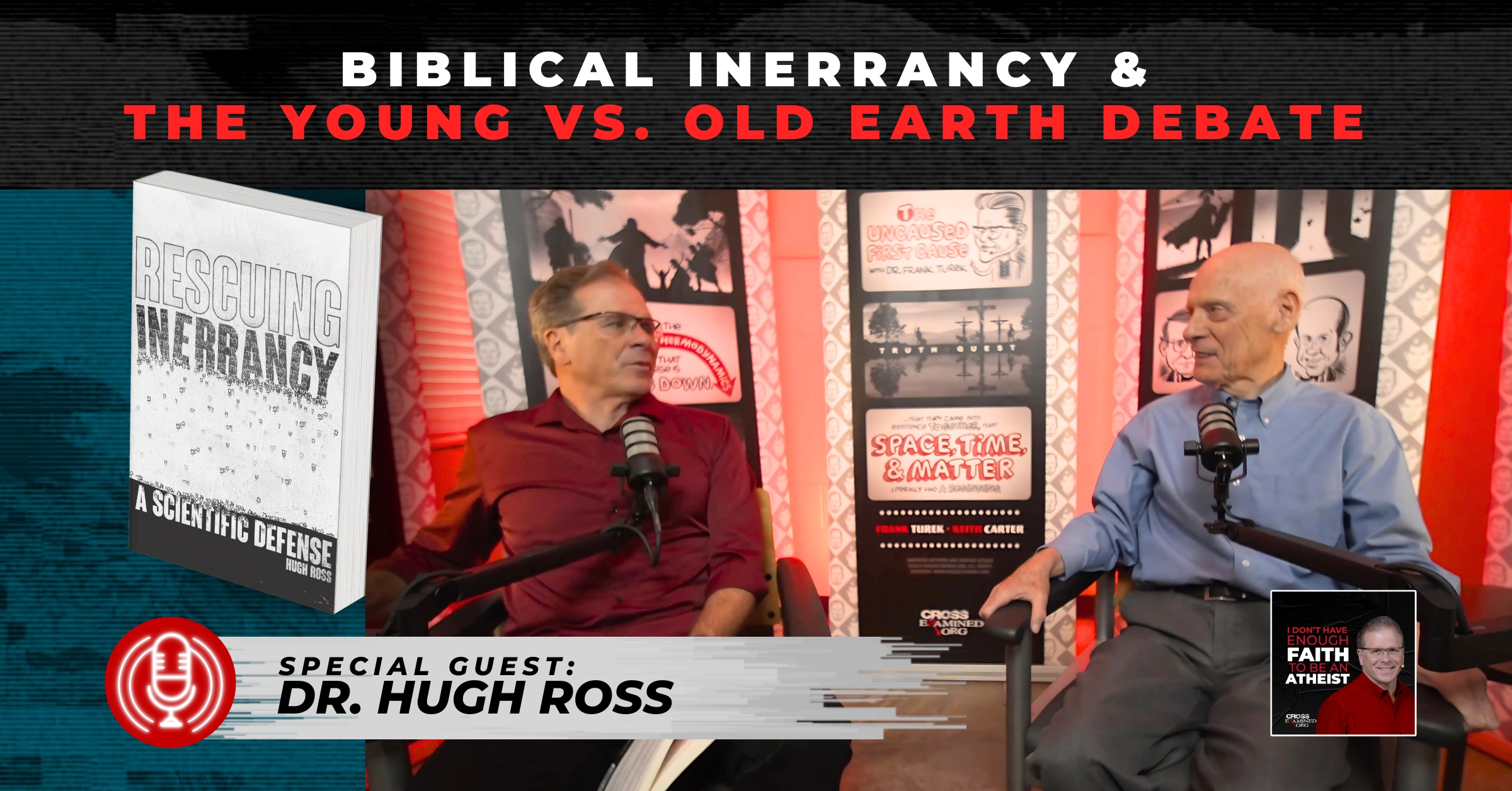
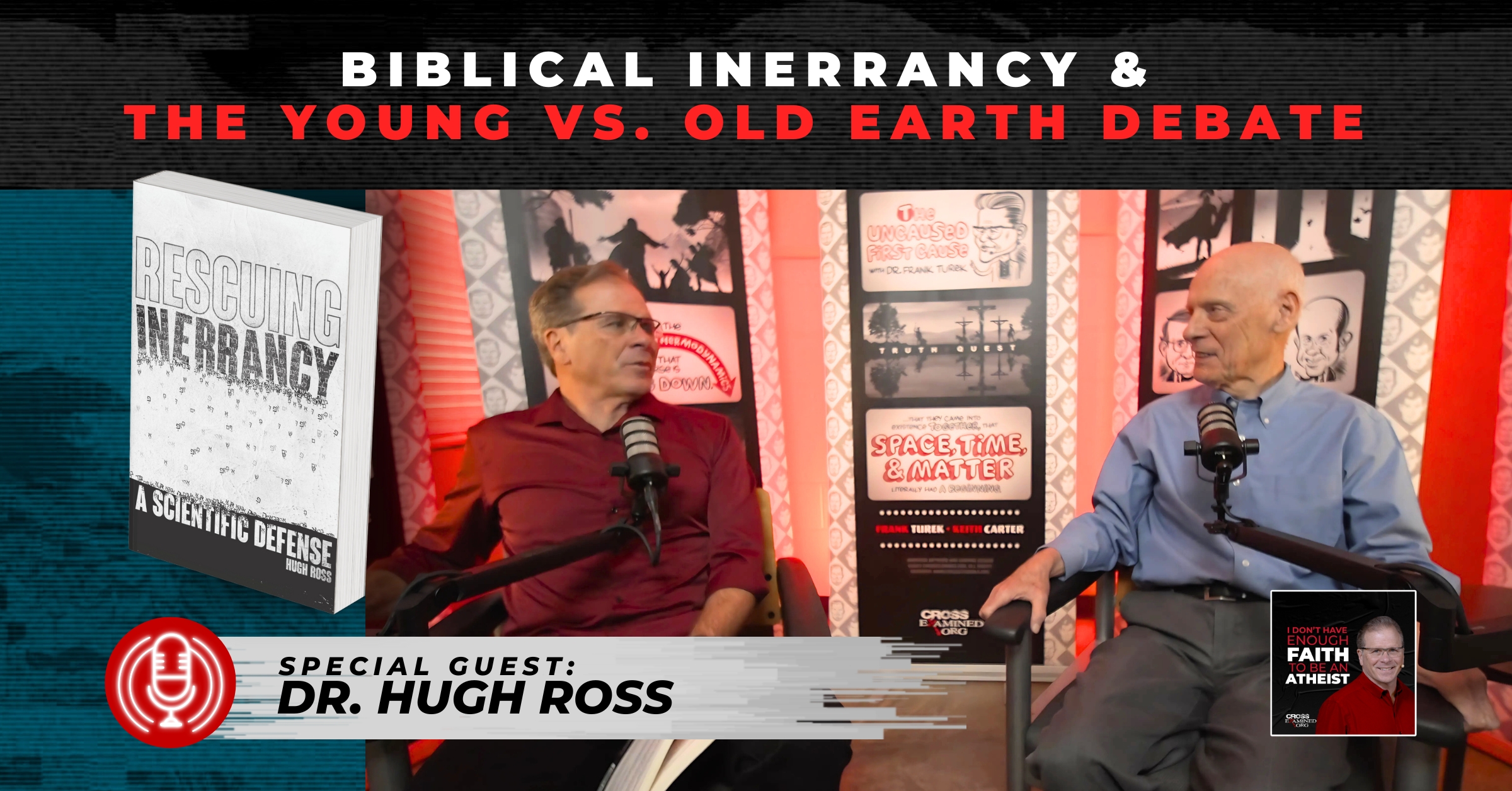
Can you believe in biblical inerrancy AND hold to the old earth creation model? There’s been an intramural debate brewing between old earth and young creationists, and some evangelical scholars say it’s time to rethink the bedrock doctrine of biblical inerrancy in order for Christianity to remain viable in the intellectual sphere. But what do the Scriptures, along with what we can observe scientifically, reveal about creation and the age of the earth?

To help us answer that question is astrophysicist, Christian apologist, author, and founder of Reasons to Believe, Dr. Hugh Ross, who joins Frank from the SES 2024 Steadfast conference, right before his debate with young earth creationist, Dr. Terry Mortenson. In defense of the old earth position, Dr. Hugh Ross will unpack what Genesis 1 shows us about cosmology and will tackle questions like:

  • How does science demonstrate that there was a creation event?
  • Is Genesis 1 a polemic against the Egyptian creation story?
  • Does the Bible leave the age of the earth as indeterminate?
  • When was Adam created and what does Dr. Ross think of William Lane Craig’s view of the historical Adam?
  • Does a person’s belief about the age of the earth affect their salvation?
  • How do young earth creations address the scientific evidence for an old earth?
  • Did God artificially age the universe?
  • What about neanderthals?
  • Should Genesis 1-11 be interpreted differently than the rest of the book?

Whether you’re a young or old earth creationist, this podcast episode will be packed with plenty of information that could challenge or bring clarity to your perspective on when and how God created the universe. Listen as Dr. Hugh Ross highlights where young earth and old earth Christians agree and disagree, and how God faithfully reveals Himself both in the book of Scripture and the book of nature. Grab your pen and paper, because this SES Steadfast podcast edition is sure to stretch your mind!

Did you enjoy this episode? HELP US SPREAD THE TRUTH OF CHRISTIANITY BY SUPPORTING THE PODCAST HERE.

Resources mentioned during the episode:

BOOK: Rescuing Inerrancy
HUGH ROSS’ MINISTRY: https://reasons.org/


Download Transcript


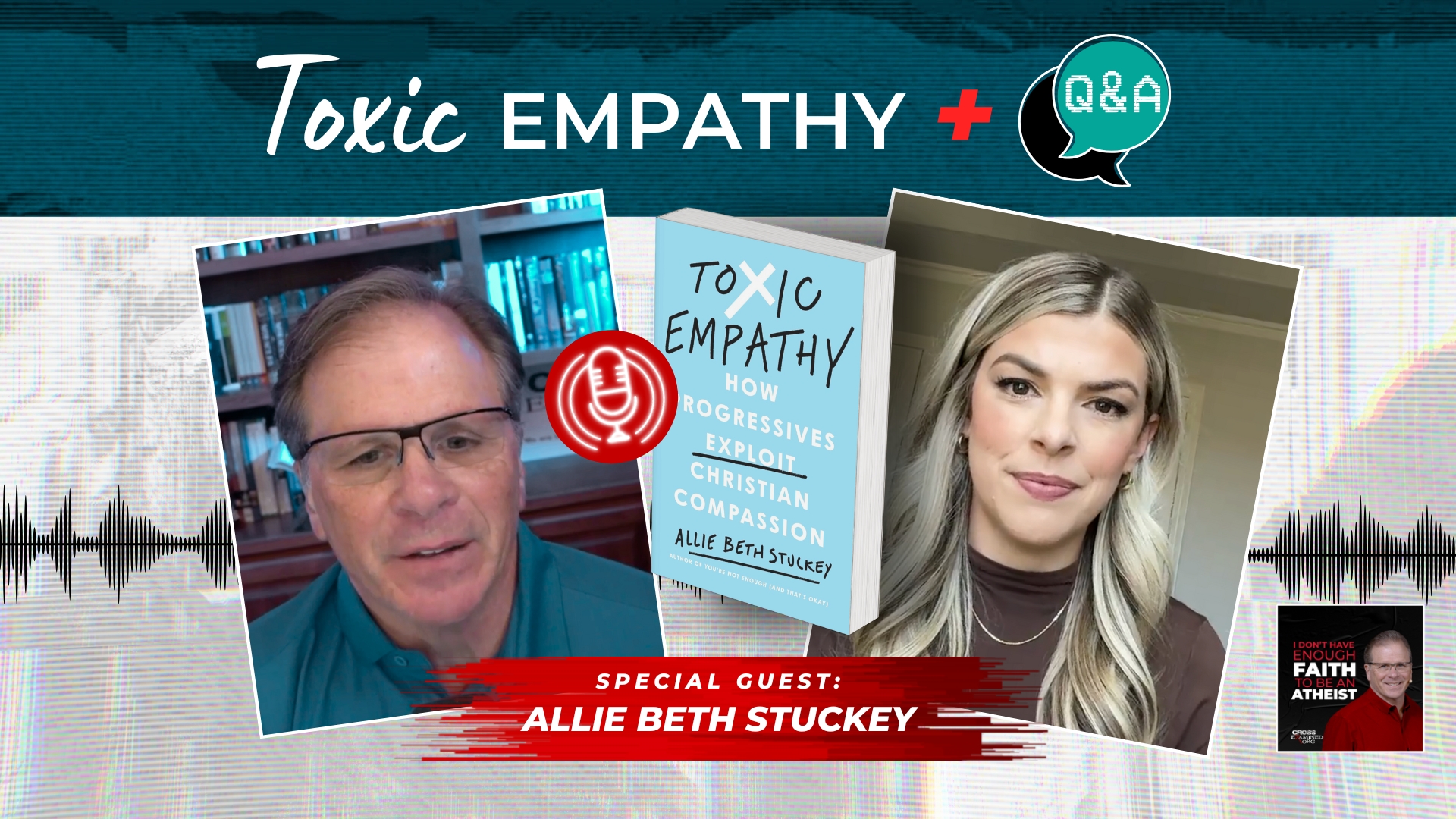
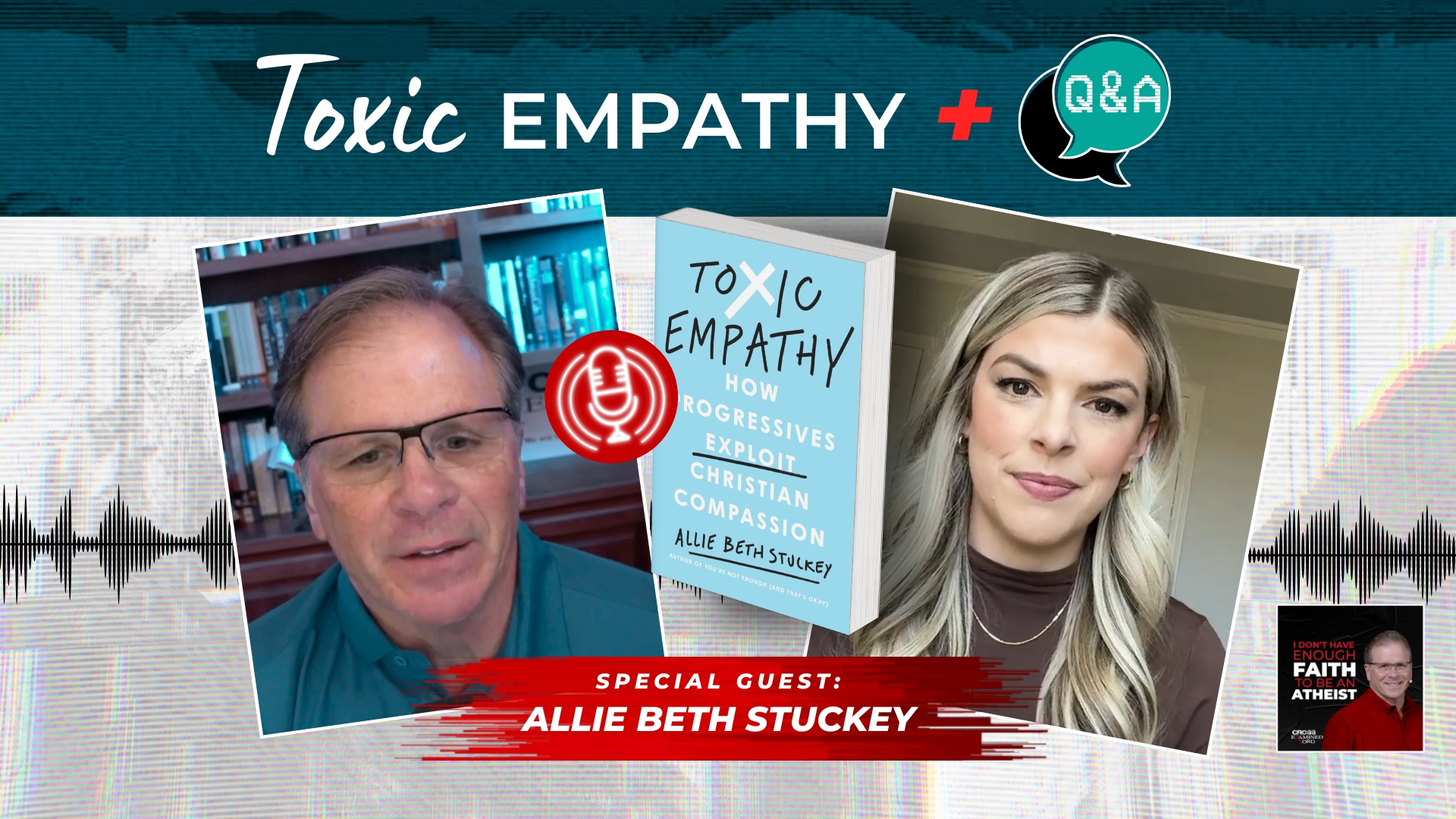
Why are so many Christians being led astray by statements like “abortion is healthcare,” “trans women are women,” and “love is love”? These catchy phrases have convinced some believers and conservatives to adopt views aligned with social justice movements—even on issues like illegal immigration. But do these ideas truly align with biblical truth, or are they carefully packaged lies that distort Christian values?

This week, conservative commentator and Christian author, Allie Beth Stuckey joins Frank to talk about the inspiration behind her brand new book, ‘Toxic Empathy: How Progressives Exploit Christian Compassion‘, which explores real life examples of how compassion has been weaponized against Christians, ultimately shaming evangelicals into supporting and celebrating policies that violate the Christian worldview. During their conversation, Frank and Allie will answer questions like:

  • What are the 5 main issues that Allie tackles in the book?
  • How is toxic empathy causing Christians to become blind to the false narratives that are being promoted through secular media?
  • What events awakened Allie to the reality of toxic empathy invading evangelicalism?
  • How has God’s view of justice been distorted by the social justice movement?
  • What unique approach did Allie take in introducing each chapter that will help readers to show compassion towards the stories mentioned in the book?

Be sure to grab a copy of Allie’s book ‘Toxic Empathy‘, and stick around for the second half of the podcast episode where Frank will answer some listener questions. Does voting to ban abortion unjustly interfere with a person’s God-given free will? Is Frank avoiding calling out his friend Andy Stanley about his LGBTQ+ views? And is there really such a thing as a “Christian nation”? Find out in this week’s episode of ‘I Don’t Have Enough Faith to Be An Atheist’!

Did you enjoy this episode? HELP US SPREAD THE TRUTH OF CHRISTIANITY BY SUPPORTING THE PODCAST HERE.

Resources mentioned during the episode:

Allie’s Book: ToxicEmpathy.com
Allie’s Website:  AllieBethStuckey.com
Helpful Resources and Local Voting Guide: VoteYourFaith.net
Does Jesus Trump Your Politics? https://bit.ly/48eRJzP
Is It Wrong for Christians to Call Out Shepherds? https://bit.ly/3zTC7W3
Shepherds for Sale with Megan Basham: https://bit.ly/4hdo5Py


Download Transcript


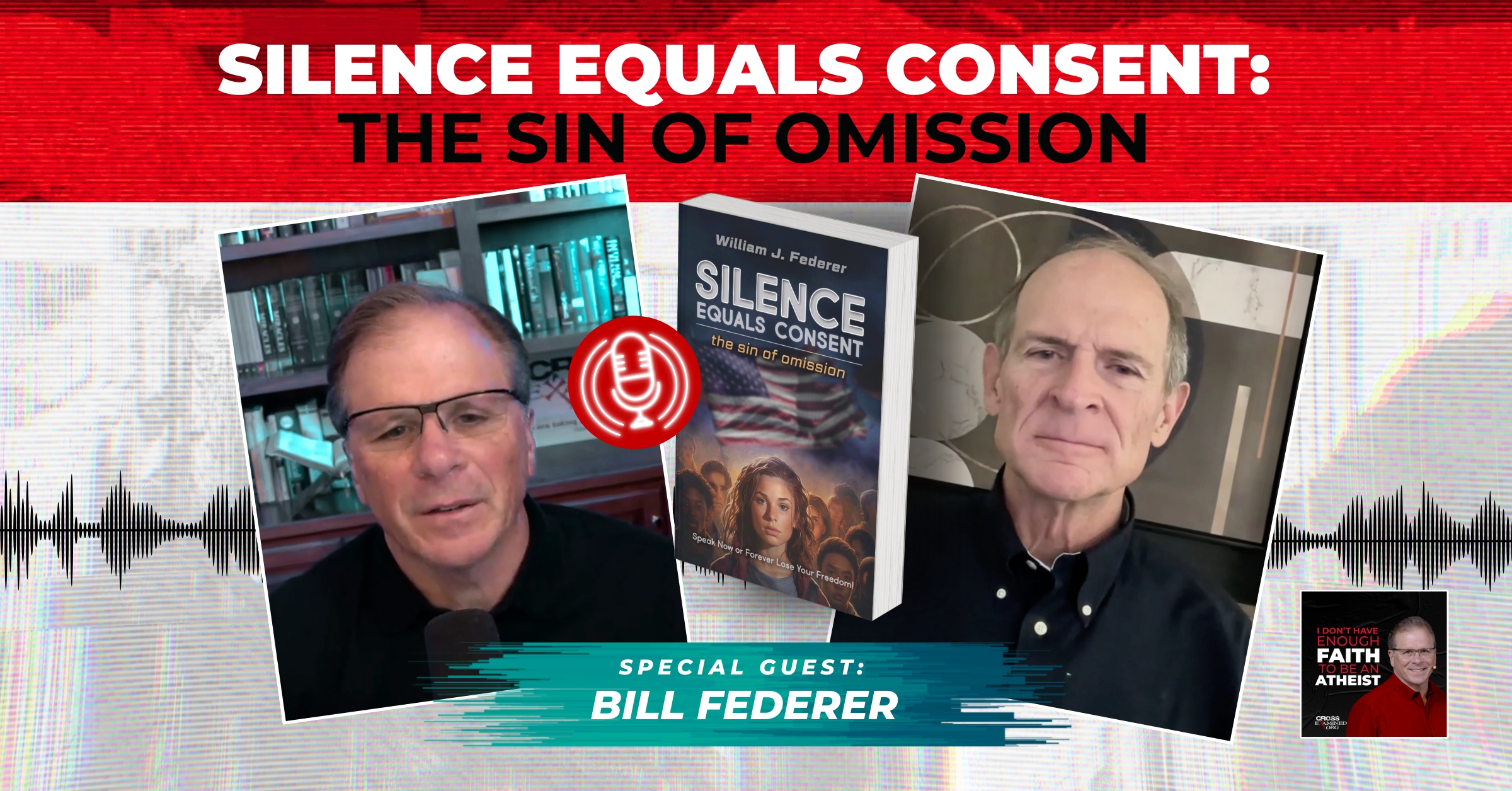
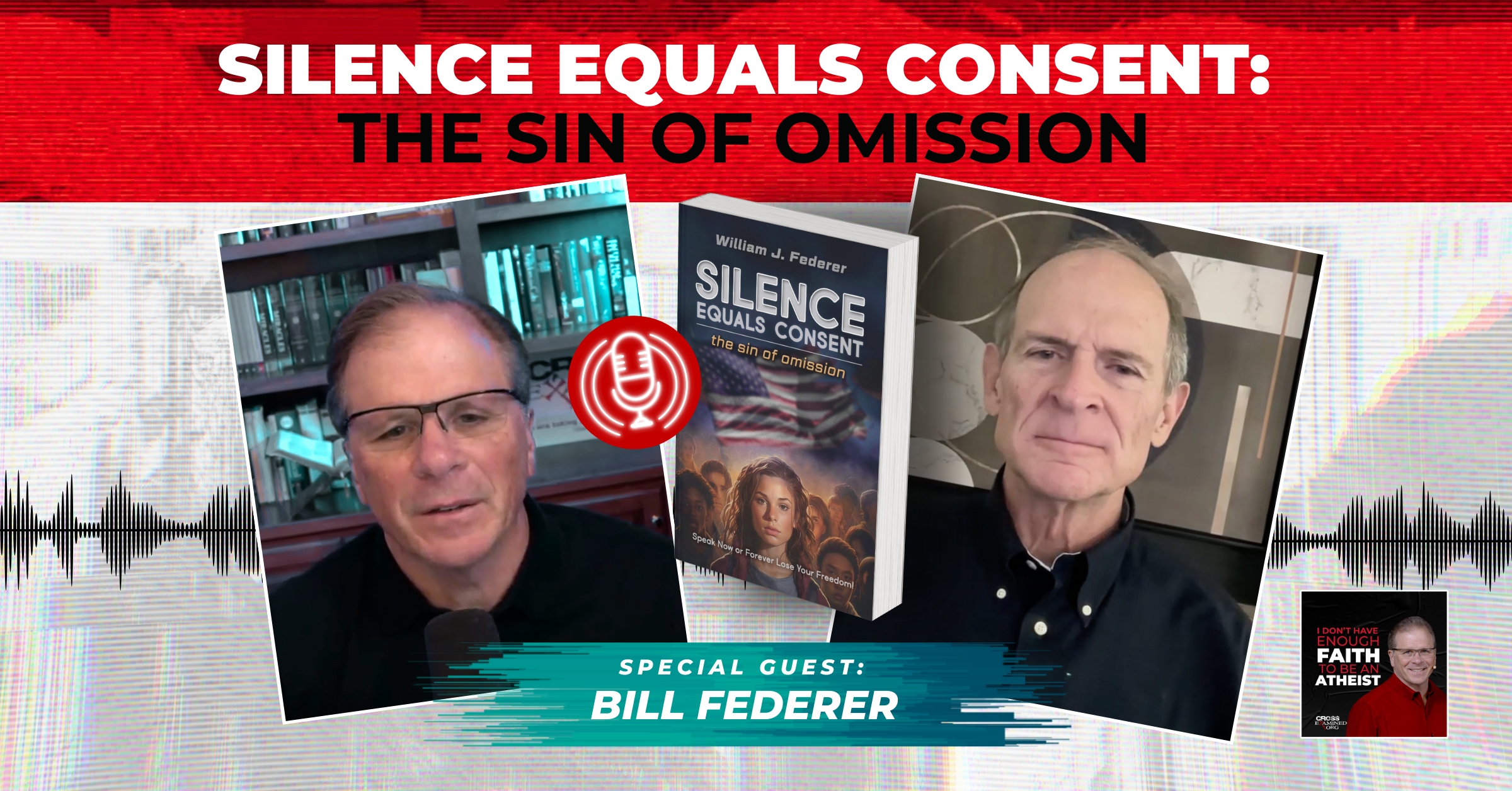
Why do so many Christians find it acceptable to stay silent in the face of evil? The idea that politics are merely “worldly” and that disengaging from culture is the best path forward has deceived far too many Christians into falling in line with cultural norms. But if the Church continues to withdraw from what’s going on in the world, who’s going to be left in charge?

This week, historian and bestselling author Bill Federer joins Frank to discuss his latest book, ‘Silence Equals Consent -The Sin of Omission: Speak Now or Forever Lose Your Freedom.‘ In this eye-opening episode, they dive deep into the Church’s history of political indifference and explore why now, more than ever, Christians must engage with the world to preserve (religious) freedom. Together, Frank and Bill tackle key questions, including:

  • How did God address globalism in the Bible?
  • What subtle tactics has Satan used to keep Christians silent?
  • How did America’s founders draw inspiration from ancient Israel’s covenant government?
  • What happens when Christians stop speaking up and lose their influence in society?
  • How should Romans 13 be interpreted in a self-governing republic versus a monarchy?

As the future of freedom hangs in the balance, will the Church step up to make a lasting impact? Listen as Bill unpacks powerful stories from history that will challenge us to rethink how we engage with the world around us. To learn more, be sure to grab a copy of ‘Silence Equals Consent‘—a must-read for anyone curious about how faith can shape the future of our culture and our country. And while you’re at it, be sure to check out the livestream Frank did with Bill last week, ‘The Shocking History of Open Borders‘, as well as other helpful resources at VoteYourFaith.net.

Did you enjoy this episode? HELP US SPREAD THE TRUTH OF CHRISTIANITY BY SUPPORTING THE PODCAST HERE.

Resources mentioned during the episode:

Billi’s book: https://www.amazon.com/dp/1736959077
Bill’s website: https://americanminute.com/


Download Transcript


Is not voting in the 2024 presidential election a wise option for Christians who don’t like either of the candidates? When George Barna recently appeared on The Charlie Kirk Show, he revealed some troubling data indicating that as many as 41 million Christians are choosing not to vote this year because they don’t like Harris or Trump. If politics isn’t your thing or you’ve lost your enthusiasm to vote, you REALLY need to tune in!

With the election just around the corner, Frank dedicates this podcast episode to focusing on the top three questions that Christians need to consider when it comes to “religion and politics” and what history has taught us when Christians disengage from the world of politics. He also summarizes some of the helpful information you’ll find available at VoteYourFaith.net by answering questions and issues like:

  • What are the consequences when Christians don’t vote?
  • How was Jesus involved in politics, and how does that help us vote?
  • If a politician can’t save you, why vote at all? (Sorry, but you’ll see why this is a really stupid objection!)
  • Does abortion trump everything else?
  • Where do both parties stand on “the more important matters of the law”?
  • Should Christians vote for the most good or the least evil?
  • What is the Equality Act and how could it hurt our children, our jobs, and our religious freedoms?
  • Why you’re actually not voting for one person!

As you’ll be reminded during this episode, Christians have the responsibility to be involved in what’s going on in our society, and that means loving our neighbors through politics by enacting laws that protect them from evil. God calls us to be ambassadors for His kingdom and we don’t stop just because we’re not over the moon excited about our choices. God has used both righteous and unrighteous leaders all through the Bible to accomplish His good purposes, so get informed, go vote, and leave the results to God!

Did you enjoy this episode? HELP US SPREAD THE TRUTH OF CHRISTIANITY BY SUPPORTING THE PODCAST HERE.

Resources mentioned during the episode:

Helpful Resources and Local Voting Guide: VoteYourFaith.net
George Barna on The Charlie Kirk Show: https://apple.co/4eQeAEk
David Daleiden & Planned Parenthood video: https://bit.ly/3BFt6jQ
New York Post article on Kamala Harris & Planned Parenthood: https://bit.ly/483XgcC
New York Post article on FEMA “Disaster Equity”: https://bit.ly/3zT22Nr
The Heritage Foundation Explains The Equality Act: https://herit.ag/3Y07Z31
The Washington Stand: For the 41 Million Christians ‘Unlikely’ to Vote: https://bit.ly/3BItiPh

Download Transcript

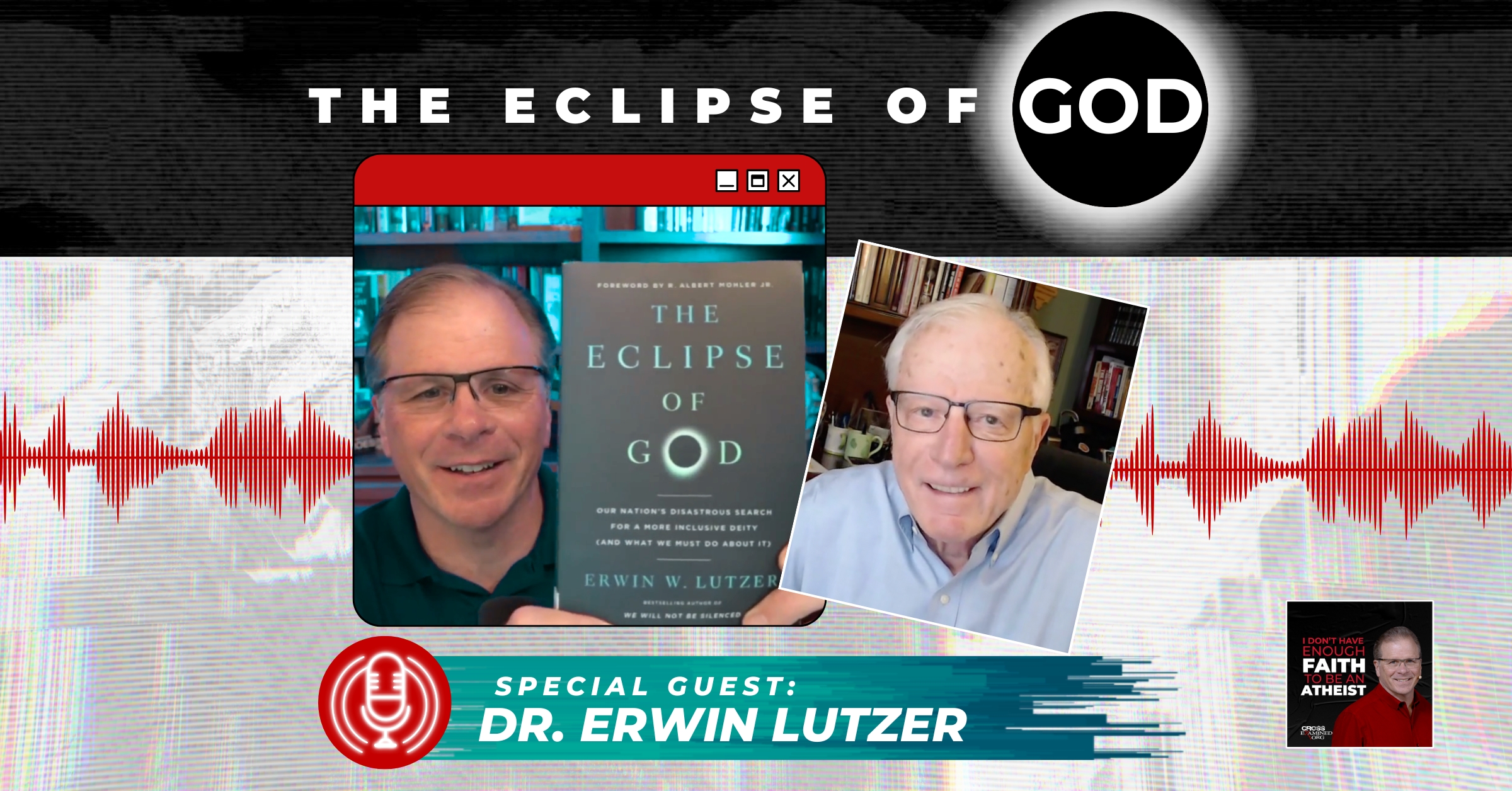
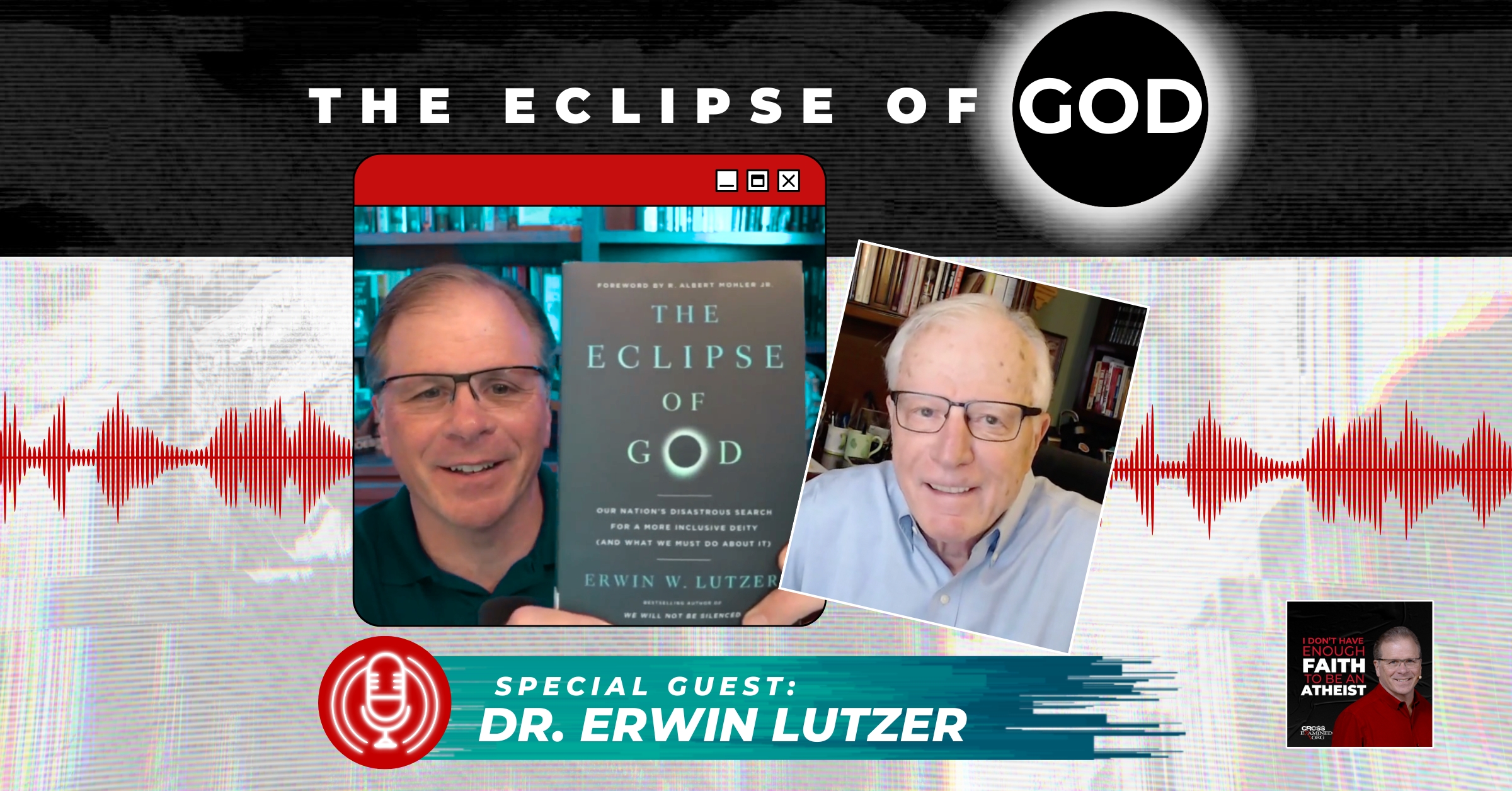
Is the American Church still shining as the light of Christ, or have we made too many compromises in the name of “tolerance” and “inclusion”? As darkness in our nation grows, it’s becoming clear that the faith of many has become cloudy and confused, leading to the rise of secularism and threats to the freedoms once rooted in the Christian worldview. Where are we headed, and what lessons from the past should serve as warnings for our future?

This week, Frank sits down with the one and only Dr. Erwin Lutzer about his brand new book, ‘The Eclipse of God: Our Nation’s Disastrous Search for a More Inclusive Deity (and What We Must Do About It)‘, which explores how America is attempting to redefine God, replacing Him with one made in our image. Dr. Lutzer will challenge listeners to count up the cost of being a true follower of Christ in the face of growing cultural persecution as well as expose how the redefining of God has crept into the American Church. They’ll answer tough questions like:

  • In what ways have both Christians and non-Christians attempted to make God more inclusive and “sin-friendly”?
  • Does God love people “unconditionally”?
  • Why does Dr. Lutzer refer to Marx, Darwin, and Freud as “the three grave diggers?”
  • What are the 3 critically important historical lessons that Dr. Lutzer wants to share with the American Church?
  • What can we learn from martyrs throughout Church history and how can we stand up for our biblical principles instead of giving into cultural incentives?
  • What can we do to turn the tide and prepare our children and grandchildren for what’s coming next?

This podcast episode also touches on the rise of Marxism, the gender pronoun craze, and the naivety of some Christians today when it comes to the importance of getting involved in politics. Listen as Frank and Dr. Lutzer reflect on the Church’s biblical mandate to stand against evil, and how history has shown the inevitable consequences that have occurred when the Church remained silent. Be sure to grab your copy of ‘The Eclipse of God‘ to dig deeper into this urgent call to the American Church!

Did you enjoy this episode? HELP US SPREAD THE TRUTH OF CHRISTIANITY BY SUPPORTING THE PODCAST HERE.

Resources mentioned during the episode:

DR. LUTZER’S BOOK: The Eclipse of God
RESOURCES BY DR. LUTZER: https://www.moodymedia.org/
SERMON PREP MADE SIMPLER: https://www.moodymedia.org/blog/2021/10/sermon-prep-made-simpler/


Download Transcript


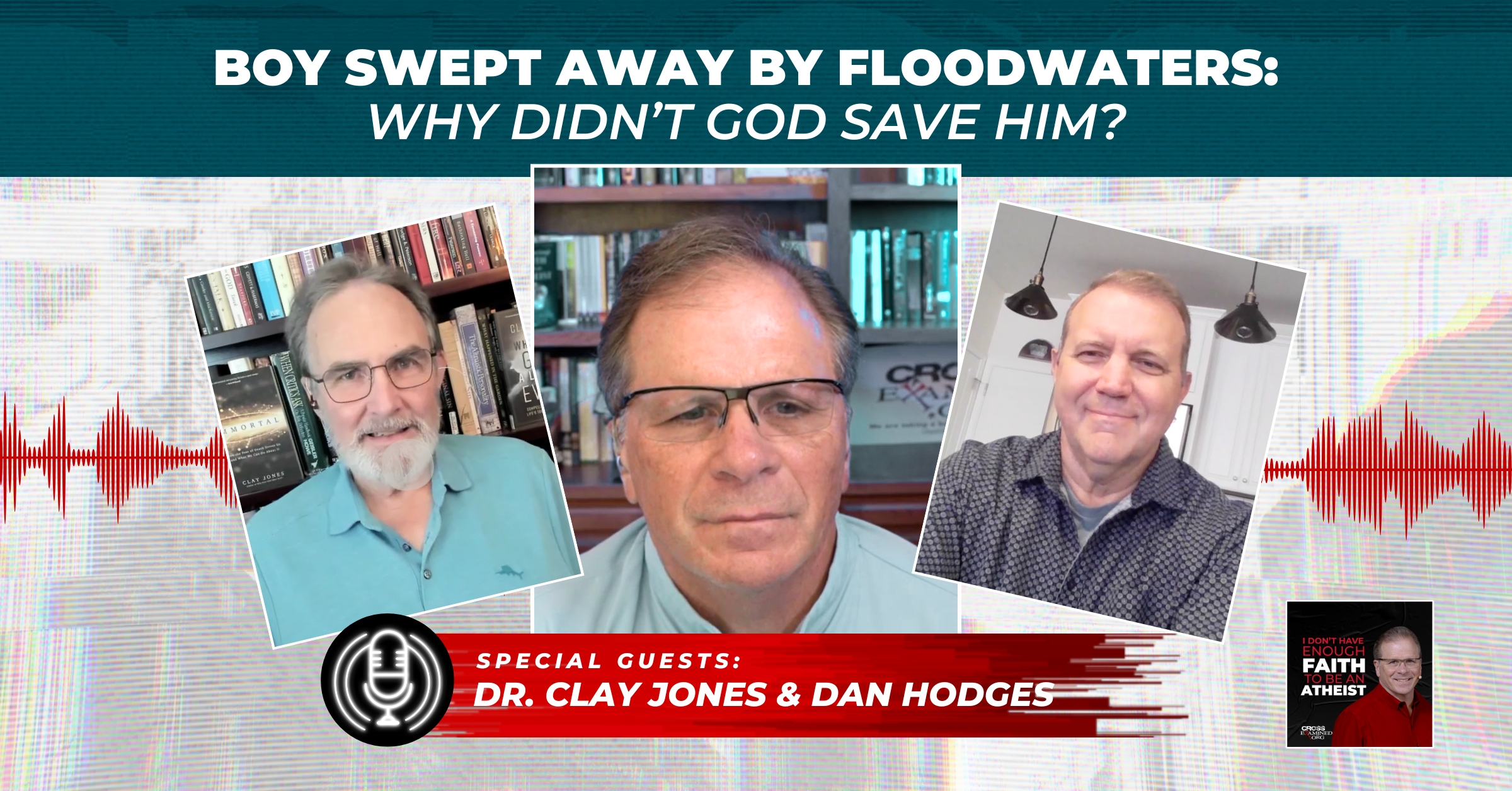
How could a good God allow such evil, pain, and suffering to take place in this world? And why doesn’t He intervene to save good people or young children when disaster strikes? The aftermath and utter devastation caused by Hurricane Helene has many questioning, “Where is God when things go wrong”? What is the best way to address these questions and how can we find God and meaning for life in the midst of these tragic events?

Life has been especially hard for those in the western part of North Carolina since Hurricane Helene struck last week, leaving residents without access to food and water, and claiming the lives of countless victims due to unprecedented flash flooding and fallen debris. During this week’s podcast episode, Frank sits down with Dr. Clay Jones (instructor of the upcoming OCC course ‘Why Does God Allow Evil?‘) and Dan Hodges (CrossExamined Board Director and Hurricane Helene survivor) to discuss the problem of evil and some of the heartbreaking stories emerging in light of the recent storm. Frank, Clay, and Dan will answer questions like:

  • What led Clay to write one of Frank’s all-time favorite books on evil, ‘Why Does God Allow Evil?
  • How can ordinary people commit extraordinary evil?
  • What’s the difference between being “good” and being “nice”?
  • Why do difficult times often bring out the best in people?
  • What did Dan see and experience after the storm in WNC and how can we help the survivors and volunteers?
  • Why didn’t Jesus save 7-year old Micah who was swept away by floodwaters? What did his aunt say about that?
  • How has Clay’s personal battle with cancer impacted his writing and teaching on this topic?
  • How can you help victims with physical and spiritual needs?


There will undoubtedly be tough days ahead for Helene survivors as they move forward and try to pick up the pieces. This is a sobering episode, but we trust that it will not only bring hope to those who are in a dark season right now, but also remind us of the good news of the Gospel when we inevitably encounter hardships in our own lives. We know you’ll benefit from hearing even more of Dr. Clay Jones’ insights on the problem of evil, so consider signing up for the PREMIUM online course ‘Why Does God Allow Evil?‘ which kicks off soon on 10/23!

Did you enjoy this episode? HELP US SPREAD THE TRUTH OF CHRISTIANITY BY SUPPORTING THE PODCAST HERE.

Resources mentioned during the episode:

Micah’s Story (New York Post article): https://bit.ly/3Yb4JU3

Clay’s Online Course: Why Does God Allow Evil?

Clay’s Book: Why Does God Allow Evil?

Give to Samaritan’s Purse: https://www.samaritanspurse.org/

Download Transcript

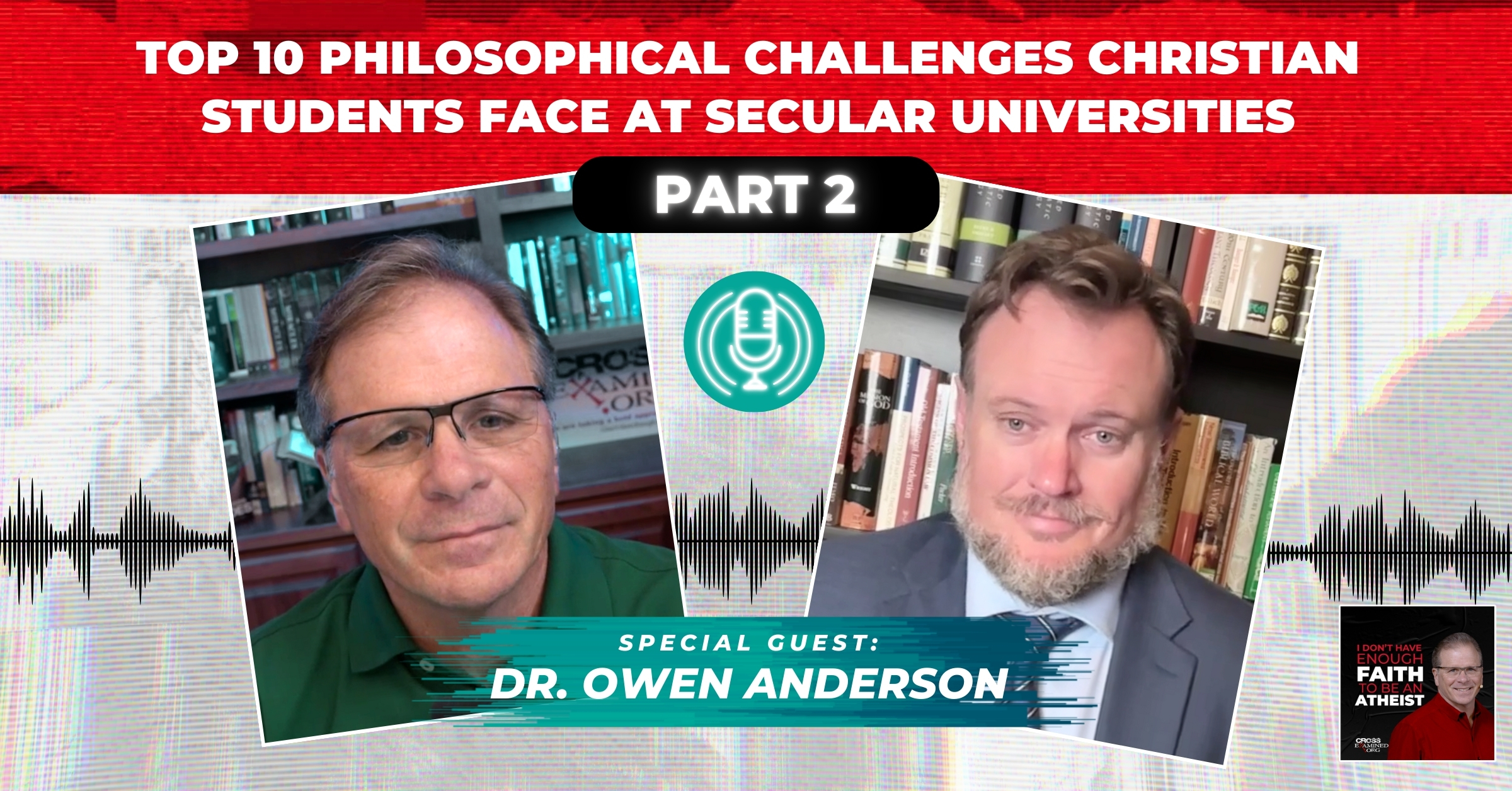
Are secular universities intentionally shaping a generation of Marxists? Parents and students need to be aware of the social and political atmosphere that awaits them when they step foot on a college campus. How should Christian students respond when they encounter professors and peers pushing views that are in high opposition with their faith?

Last week, Dr. Owen Anderson shared five key philosophical challenges Christian students will likely face during their college years. This week, he’s back with five more, breaking down the flaws in these worldviews, how they infiltrated universities, and how to defend Christianity against them.

  • Are some professors secretly promoting Marxist ideas?
  • Why is student activism at an all-time high and how are colleges preying on the 18-25 age group?
  • Is logic being dismissed as a “white” concept?
  • How are existentialism, Marxism, and LGBTQ+ ideologies working together to steer students away from truth?

Don’t miss this eye-opening conversation that will help Christian parents and students stay grounded in biblical truth and resist woke indoctrination!

Did you enjoy this episode? HELP US SPREAD THE TRUTH OF CHRISTIANITY BY SUPPORTING THE PODCAST HERE.

Resources mentioned during the episode:

Podcast: Part 1 with Dr. Owen Anderson
Blog post: Ten Philosophical Challenges Christian Students Face at Secular University
Owen’s Website: https://drowenanderson.com/
Owen’s Substack: https://drowenanderson.substack.com/


Download Transcript


Every college student faces difficult situations, but Christian students at secular universities often encounter unique challenges designed to dismantle their faith. How can these students (and Christians everywhere) stay strong and defend their beliefs in environments that are hostile to their worldview?

A few episodes ago, Frank sat down with Arizona State University Professor Dr. Owen Anderson, who is currently in litigation with the university due to discrimination against his Christian faith. This week, he’s back with an update and to share the 10 biggest philosophical challenges Christian students should prepare for in college. Together, Frank and Owen tackle questions like:

  • Are Christian students being targeted by their professors?
  • Is pragmatism the standard for truth?
  • How should Bible-believing Christians understand the concept of true happiness?
  • Why is it important for Christians to learn the law of non-contradiction?
  • Are college students paying BIG money to learn nothing?

Tune in as Dr. Anderson unpacks the first FIVE challenges with real-life examples from ASU and other secular campuses. And don’t miss the upcoming midweek podcast for the remaining five challenges along with even more insights on how to survive college as a Christian!

Did you enjoy this episode? HELP US SPREAD THE TRUTH OF CHRISTIANITY BY SUPPORTING THE PODCAST HERE.

Resources mentioned during the episode:

Blog post: Ten Philosophical Challenges Christian Students Face at Secular University
Owen’s Website: https://drowenanderson.com/
Owen’s Substack: https://drowenanderson.substack.com/

Download Transcript

Recently, someone asked me to comment on an article, published in 2017, by John Danaher, a lecturer in the Law School at the University of Galway, Ireland. He is widely published on legal and moral philosophy, as well as philosophy of religion. In his article, Danaher alleges that proponents of intelligent design (ID) are religiously motivated. He also asserts that the argument for ID from irreducible complexity has conceptual problems, and that systems that we deem to be irreducibly complex can be adequately explained by co-optation of components performing other roles in the cell. In two articles, I will address his concerns about our supposed religious motives, and then tackle his specific objections to irreducible complexity.

Do We Have Religious Motives?

Danaher opens his essay by reminiscing about his days as a student when he first encountered ID.

When I was a student, well over a decade ago now, intelligent design was all the rage. It was the latest religiously-inspired threat to Darwinism (though it tried to hide its religious origins). It argued that Darwinism could never account for certain forms of adaptation that we see in the natural world.

What made intelligent design different from its forebears was its seeming scientific sophistication. Proponents of intelligent design were often well-qualified scientists and mathematicians, and they dressed up their arguments with the latest findings from microbiology and abstruse applications of probability theory. My sense is that the fad for intelligent design has faded in the intervening years, though I have no doubt that it still has its proponents.

These paragraphs betray the fact that the author is quite out of touch with the literature on ID.

Stronger than Ever

First, ID has come a long way since the early 2000s. Far from having faded, it is now stronger than ever, having more academic proponents (and many more peer-reviewed publications) than at any time in its history. Its arguments are far more developed and sophisticated than in the early 2000s and this trend is likely to continue.

Second, it is unclear in what sense Danaher refers to the “religious origins” of ID. It is certainly true that having a religious perspective, predisposing one towards theism, creates a plausibility structure that opens one’s mind to the possibility of there being measurable evidence of design in the universe, including in living organisms. Thus, being independently persuaded of the truth of a theistic religion (in my case, Christianity) is positively relevant to one’s assessment of the prior probability (or, intrinsic plausibility) of ID. However, even if one is not persuaded of theistic religion, the evidence of design in the natural world is, in my opinion, sufficient to overwhelm even a very low prior. Indeed, the cosmological evidence that our universe has a finite history; the fine-tuning of the laws and constants of our universe; the prior environmental fitness of nature for complex life; the optimization of the universe for scientific discovery and technology; and the biological evidence of design all point univocally and convergently in the direction of a cosmic creator. Thus, ID has attracted support from scholars who are not themselves adherents of any religion, including Michael Denton, David Berlinski, and Steve Fuller. Paleontologist and frequent Evolution News contributor Günter Bechly, though a Christian believer now, was not sympathetic to Christianity when he first came to be persuaded of ID.

Misguided on Many Levels

Later in the essay, Danaher further remarks,

The claim is not that God must have created the bacterial flagellum but, rather, that an intelligent designer did. For tactical reasons, proponents of intelligent design liked to hide their religious motivations, trying to claim that their theory was scientific, not religious in nature. This was largely done in order to get around certain legal prohibitions on the teaching of religion under US constitutional law. I’m not too interested in that here though. I view the intelligent design movement as a religious one, and hence the arguments they proffer as on a par with pretty much all design arguments.

These comments are misguided on many levels.

First, the claim that we ID proponents are not clear about our personal religious persuasions is patently false. Speaking for myself, I have been very clear that I am a Christian theist, though my grounds for being persuaded of that conclusion are wholly independent of the science of ID. And I am by no means unusual. Virtually every leading ID proponent — from Michael Behe to William Dembski to Stephen Meyer to Phillip Johnson to David Klinghoffer to Casey Luskin to Brian Miller to Ann Gauger and many others — has been totally open about his or her personal religious beliefs. In the world of intelligent design, no one is hiding anything about religious beliefs, including those who lack religious beliefs.

Second, ID is a scientific argument, and when evaluating a scientific argument, the motives of its proponents are irrelevant. As Casey Luskin writes,

[I]n science, the motives or personal religious beliefs of scientists don’t matter; only the evidence matters. For example, the great scientists Johannes Kepler and Isaac Newton were inspired to their scientific work by their religious convictions that God would create an orderly, rational universe with comprehensible physical laws that governed the motion of the planets. They turned out to be right — not because of their religious beliefs — but because the scientific evidence validated their hypotheses. (At least, Newton was thought to be right until Einstein came along.) Their personal religious beliefs, motives, or affiliations did nothing to change the fact that their scientific theories had inestimable scientific merit that helped form the foundation for modern science.

To attack an idea because of the alleged religious motives of its proponents is to commit the genetic fallacy, and that is exactly what Danaher has done here.

Third, ID is not a religious argument. Though ID provides strong evidence for a broadly theistic perspective, the argument itself is grounded in the scientific method. ID does not aid in evaluating the merits of one particular religious tradition over another. ID does not even technically commit one to theism, though I would contend that God is the best candidate for the identity of the designer (as Stephen Meyer argues in his recent book, Return of the God Hypothesis). Thus, ID rightly attracts people of all religious persuasions and none (including Orthodox Jews, Muslims, and agnostics). This is important because it shows that ID is not about supporting one particular religion. We, therefore, strive to be honest about the limitations of ID while being careful not to overstate what the scientific evidence alone can tell us.

What About Evolution?

Finally, if Danaher wants to scrutinize the religious motives of ID proponents, we have to consider what such a line of attack would do to evolution. Casey Luskin has documented (see here or here) the extensive anti-religious beliefs, motives, and affiliations of many leading evolution-advocates. While I (and Luskin) would maintain that evolution is science, one must ask what would happen to evolution if the religious (or anti-religious) beliefs of its proponents suddenly became relevant to assessing its merits.

“Teach the Controversy”

Danaher’s statement that the claim that ID is scientific and not religious “was largely done in order to get around certain legal prohibitions on the teaching of religion under US constitutional law” is historically incorrect. Discovery Institute (the leading organization funding research into, and promoting the public understanding of, ID) does not support attempts to legally protect the teaching of ID in public schools. In fact, since Discovery Institute’s earliest involvement in major public education debates in the U.S. (in Ohio in 2002), it has not supported mandating the teaching of ID in public schools. This is not because we feel that ID is unconstitutional. ID, much like the Big Bang in cosmology, may be friendly to a broadly theistic perspective. However, this does not make the idea itself a religious one, just as the Big Bang theory is not a religious idea. Thus, there is nothing intrinsic to ID that would render it unconstitutional under the First Amendment (see here or here for legal discussions). However, attempts to legislatively protect the teaching of ID tend to politicize the theory, and we believe that the merits of ID ought to be debated in the scientific journals, not in the courtroom. Rather, Discovery Institute advocates a “teach the controversy” model, where the strengths and weaknesses of scientific theories (including evolution) are presented and discussed. All of this is stated clearly and openly on our Science Education Policy page:

As a matter of public policy, Discovery Institute opposes any effort to require the teaching of intelligent design by school districts or state boards of education. Attempts to require teaching about intelligent design only politicize the theory and will hinder fair and open discussion of the merits of the theory among scholars and within the scientific community. Furthermore, most teachers at the present time do not know enough about intelligent design to teach about it accurately and objectively.       


Instead of recommending teaching about intelligent design in public K-12 schools, Discovery Institute seeks to increase the coverage of evolution in curriculum. It believes that evolution should be fully and completely presented to students, and they should learn more about evolutionary theory, including its unresolved issues. In other words, evolution should be taught as a scientific theory that is open to critical scrutiny, not as a sacred dogma that can’t be questioned.

Thus, Danaher is ill-informed about Discovery Institute’s long-standing education policy. In a second article, I shall address his specific concerns regarding the argument from irreducible complexity.

Recommended Resources:

Science Doesn’t Say Anything, Scientists Do by Dr. Frank Turek (DVD, Mp3 and Mp4)

Oh, Why Didn’t I Say That? Does Science Disprove God? by Dr. Frank Turek (DVD and Mp4)

Stealing From God by Dr. Frank Turek (Book, 10-Part DVD Set, STUDENT Study Guide, TEACHER Study Guide)

Macro Evolution? I Don’t Have Enough Faith to be a Darwinist (DVD Set), (MP3 Set) and (mp4 Download Set) by Dr. Frank Turek


Dr. Jonathan McLatchie is a Christian writer, international speaker, and debater. He holds a Bachelor’s degree (with Honors) in forensic biology, a Masters’s (M.Res) degree in evolutionary biology, a second Master’s degree in medical and molecular bioscience, and a Ph.D. in evolutionary biology. Currently, he is an assistant professor of biology at Sattler College in Boston, Massachusetts. Dr. McLatchie is a contributor to various apologetics websites and is the founder of the Apologetics Academy (Apologetics-Academy.org), a ministry that seeks to equip and train Christians to persuasively defend the faith through regular online webinars, as well as assist Christians who are wrestling with doubts. Dr. McLatchie has participated in more than thirty moderated debates around the world with representatives of atheism, Islam, and other alternative worldview perspectives. He has spoken internationally in Europe, North America, and South Africa promoting an intelligent, reflective, and evidence-based Christian faith.

Originally published here: https://bit.ly/3zZJM4R