
Biblical Archaeology: Three New Books on Archaeology and the Bible Worth Watching in 2026
Biblical archaeology continues to be one of the most fascinating intersections between faith, history, and material evidence. While archaeology does not “prove” theology, it frequently illuminates the historical world of Scripture, clarifies cultural details, and sometimes confirms the existence of biblical people, places, and practices once dismissed as legendary.
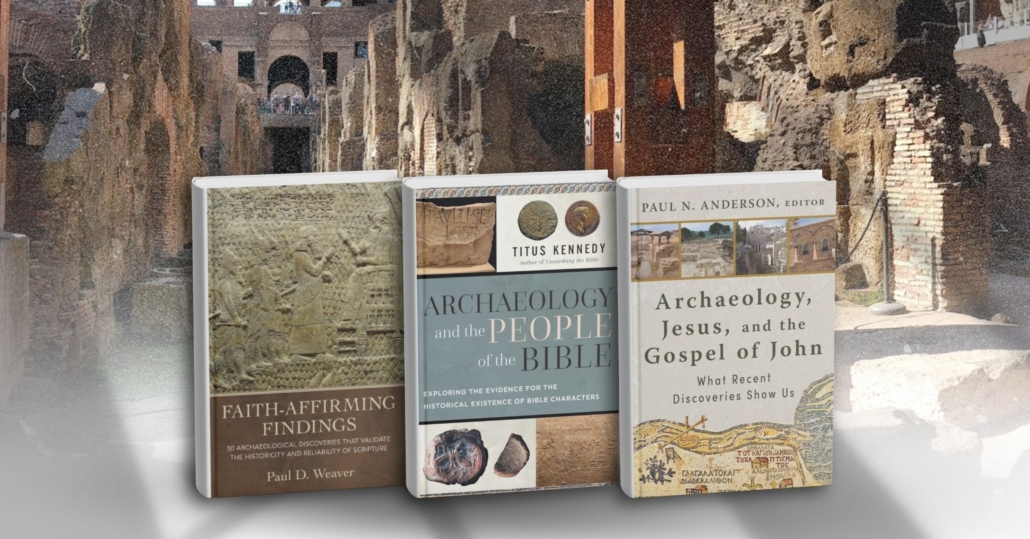
Three major new books released in 2026 demonstrate the growing scholarly and popular interest in archaeology and the Bible. Together, these works highlight how discoveries from inscriptions, excavations, ancient manuscripts, architecture, coins, ossuaries, and historical geography continue to deepen our understanding of the biblical world.
- Faith-Affirming Findings: 50 Archaeological Discoveries That Validate the Historicity and Reliability of Scripture
By: Paul D. Weaver
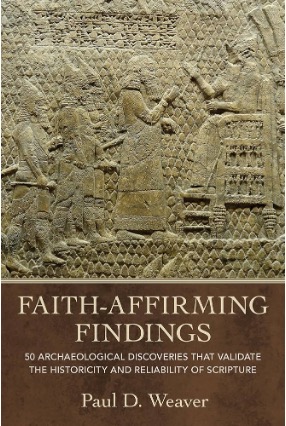
Paul D. Weaver’s Faith-Affirming Findings takes a more devotional and apologetic approach while remaining rooted in archaeological discussion.
Weaver organizes the book around fifty major discoveries that support the historical credibility of the Bible. The emphasis is not merely on isolated “proof texts” but on the broader cumulative pattern that archaeology consistently aligns with the biblical world.
Readers can expect discussion of:
- Ancient inscriptions
- Royal seals and bullae
- Assyrian and Babylonian records
- Cities and destruction layers
- New Testament locations
- Artifacts tied to biblical customs and governance
The strength of Weaver’s approach is accessibility. The book is written for pastors, students, and general readers rather than technical specialists. It functions almost like an archaeological companion guide to biblical reliability.
Inside you’ll find:
- detailed descriptions of each artifact, site, and its biblical significance,
- over 100 full-color photos that bring the findings to life,
- the locations of museums where these artifacts can be viewed,
- extensive bibliographical resources for deeper study,
- over 450 footnotes, a glossary, a biblical passage index,
- links to supplemental study material, such as 50 videos on each of the discoveries in the book.
At the same time, the book reminds readers of an important reality: archaeology rarely works like a courtroom drama where one discovery instantly settles every debate. Instead, historical confidence emerges cumulatively. The more evidence uncovered, the more the biblical text repeatedly demonstrates familiarity with real people, places, political structures, customs, and historical settings.
- Archaeology and the People of the Bible: Exploring the Evidence for the Historical Existence of Bible Characters
By: Titus Kennedy
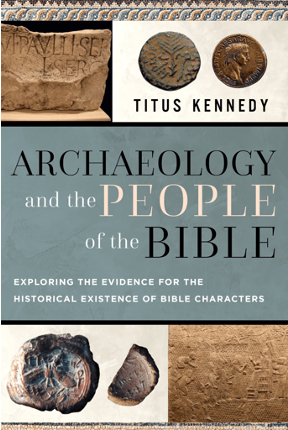
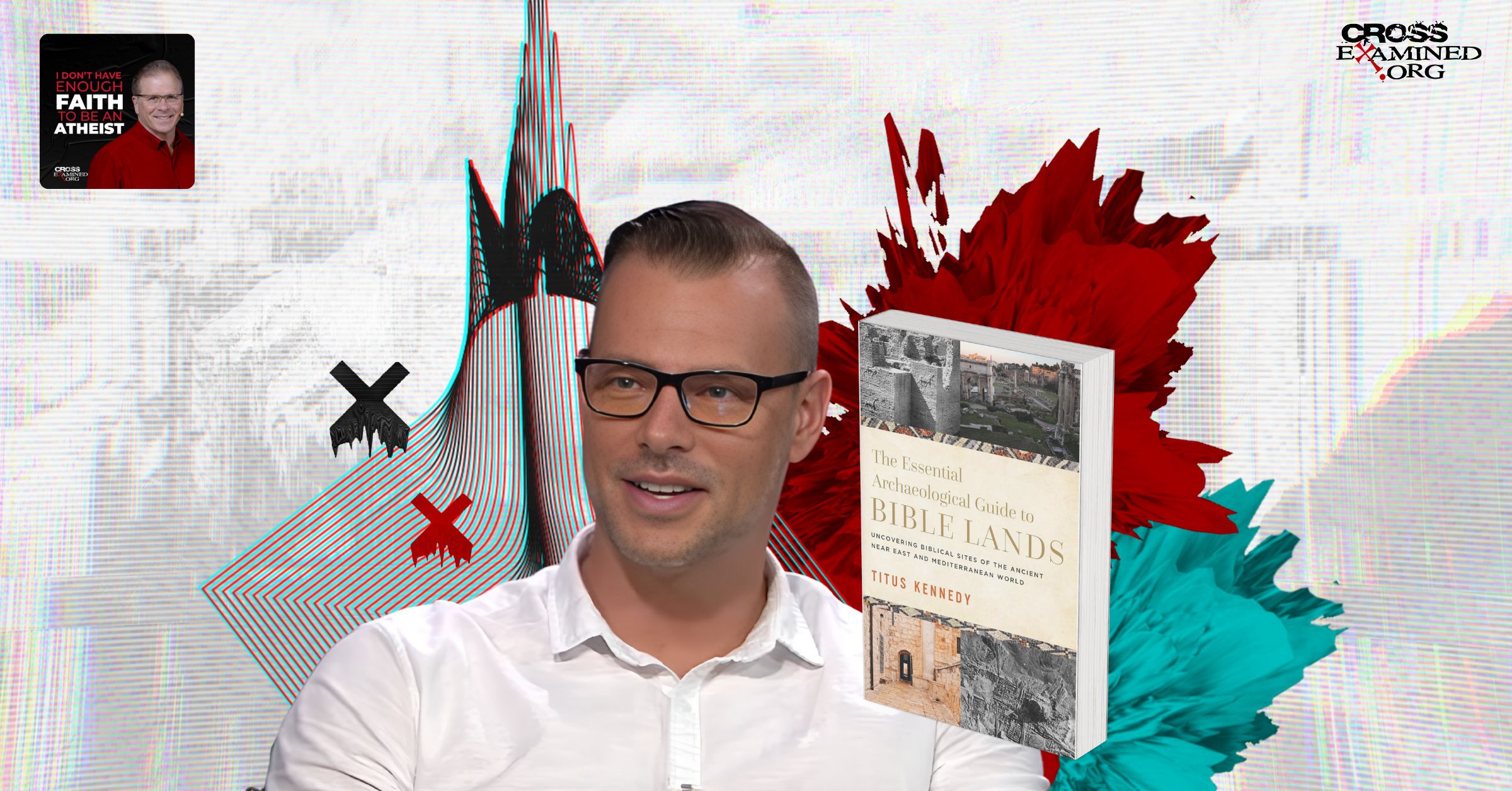
Kennedy’s Archaeology and the People of the Bible is perhaps the most accessible of the three volumes. The book focuses on archaeological evidence connected to more than 130 individuals mentioned in Scripture.
Kennedy surveys discoveries connected to figures such as David, Hazael, Isaiah, Sargon II, Jehoiachin, Belshazzar, Caiaphas, James, and even New Testament officials like Erastus. One of the strengths of the volume is its organization. Rather than presenting archaeology merely as a collection of isolated discoveries, Kennedy systematically walks readers through inscriptions, seals, bullae, stelae, ossuaries, and manuscripts tied to biblical names.
The book also includes hundreds of photographs and illustrations, making it particularly useful for students, teachers, and church audiences wanting a visually engaging introduction to biblical archaeology.
Perhaps most importantly, Kennedy attempts to distinguish between stronger and weaker identifications. Some archaeological discoveries provide direct confirmation of a biblical figure, while others remain more tentative. That nuance is refreshing in a field where sensational claims often dominate headlines.
The cumulative effect of the book is significant: many people once thought to be merely literary or theological figures are now anchored within the broader historical and archaeological record.
- Archaeology, Jesus, and the Gospel of John
Edited by Paul N. Anderson
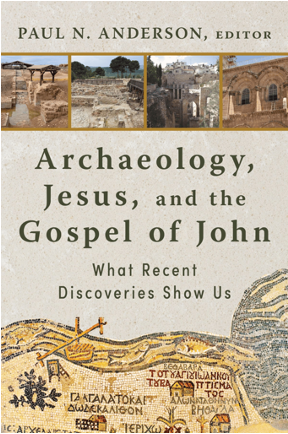
This massive scholarly volume may become one of the most important archaeology-and-New-Testament works in years.
For decades, many critical scholars treated the Gospel of John as the least historical of the four Gospels because of its strong theological emphasis and distinctive literary style. Yet archaeology has repeatedly shown that John contains remarkably precise geographical, architectural, and cultural details.
Archaeology, Jesus, and the Gospel of John gathers contributions from leading archaeologists and New Testament scholars, including Craig Evans, Jodi Magness, Shimon Gibson, Scott Stripling, and others. The essays examine topics such as:
- The Pool of Bethesda
- The Pool of Siloam
- Cana of Galilee
- Jacob’s Well
- Bethsaida
- Fishing practices on the Sea of Galilee
- Mount Gerizim
- Golgotha and the tomb of Jesus
- Crucifixion practices in Roman Judea
One of the major themes running through the book is that John’s Gospel demonstrates intimate familiarity with first-century Palestine. Archaeological discoveries connected to locations, customs, purification practices, and regional geography increasingly challenge the older assumption that John was historically detached from real events.
The volume does not argue that archaeology “proves” every theological claim in John. Instead, it argues something more historically important: the Gospel writer appears deeply rooted in the real geography and culture of first-century Judea and Galilee.
That matters because historical reliability and theological reflection are not mutually exclusive categories. The Fourth Gospel may be both deeply theological and historically informed.
For students of apologetics and historical Jesus studies, this book could become a landmark contribution.
Why These Books Matter
What makes these three books especially significant is that they represent different but complementary approaches to biblical archaeology.
- Kennedy focuses on biblical people.
- Anderson’s volume focuses on the historical credibility of John’s Gospel.
- Weaver focuses on broader archaeological confirmation of Scripture.
Together, they demonstrate how much the conversation surrounding archaeology and the Bible has changed over the last century.
There was a time when critics claimed:
- David was legendary.
- Belshazzar never existed.
- Pontius Pilate lacked archaeological confirmation.
- John’s Gospel was geographically unreliable.
Today, inscriptions, excavations, and archaeological discoveries have dramatically reshaped those discussions.
None of this eliminates every scholarly debate. Archaeology remains an interpretive discipline, and responsible scholars continue to disagree about dates, identifications, and conclusions. But the overall trajectory has been difficult to ignore: again and again, archaeology has shown the biblical writers to be deeply familiar with the historical world they describe.
Final Thoughts
These new books arrive at a time when interest in biblical archaeology is growing rapidly among both scholars and lay readers. In a skeptical age, archaeology provides a tangible reminder that the Bible is not set in a mythical universe detached from history. Its narratives are rooted in real cities, real kings, real governors, real conflicts, and real cultures.
Archaeology cannot establish every theological claim of Christianity. It cannot excavate the Resurrection or place faith under a microscope. But it can test historical claims—and over and over again, the biblical text continues to withstand scrutiny remarkably well.
For Christians interested in apologetics, historical reliability, and the world of Scripture, these three books are valuable additions to the conversation and worthy of serious attention.
Recommended Resources:
Ark Fever (Paperback) by Robert Cornuke
What I Discovered Digging in Jerusalem by Eli Shukron (with Frank Turek) (Mp4 Download)
Why We Know the New Testament Writers Told the Truth by Frank Turek (mp4 Download)
Early Evidence for the Resurrection by Dr. Gary Habermas (DVD), (Mp3) and (Mp4)
J. Steve Lee has taught Apologetics for over two and a half decades at Prestonwood Christian Academy. He also has taught World Religions and Philosophy at Mountain View College in Dallas and Collin College in Plano. With a degree in history and education from the University of North Texas, Steve continued his formal studies at Southwestern Baptist Theological Seminary with a M.A. in philosophy of religion and has pursued doctoral studies at the University of Texas at Dallas and is finishing his dissertation at South African Theological Seminary. He has published several articles for the Apologetics Study Bible for Students as well as articles and book reviews in various periodicals including Philosophia Christi, Hope’s Reason: A Journal of Apologetics, and the Areopagus Journal. Having an abiding love for fantasy fiction, Steve has contributed chapters to two books on literary criticism of Harry Potter: Harry Potter for Nerds and Teaching with Harry Potter. He even appeared as a guest on the podcast MuggleNet Academia (“Lesson 23: There and Back Again-Chiasmus, Alchemy, and Ring Composition in Harry Potter”). He is married to his lovely wife, Angela, and has two grown boys, Ethan and Josh.
Originally posted at: https://bit.ly/4iOV8gl